Why Visit Budapest?#
Budapest, the capital of Hungary, is a city that effortlessly blends the old with the new. Known for its stunning architecture, rich history, and vibrant culture, Budapest is often referred to as the “Paris of the East.” The city’s unique thermal baths, historic castles, and lively ruin bars create an atmosphere that is both enchanting and inviting. Walking along the Danube River offers breathtaking views of the iconic Parliament Building and Buda Castle, while the bustling streets of Pest are filled with cafes, shops, and street performers that bring life to the city.
One of the most compelling reasons to visit Budapest is its affordability compared to other European destinations. Travelers can indulge in fine dining, explore historical sites, and enjoy cultural experiences without breaking the bank. Budapest is also a city that celebrates its traditions and festivals, making it a perfect destination for those looking to immerse themselves in local culture. If you’re also considering a trip to Berlin, Germany, you’ll find that Budapest shares a similar vibrancy but with a unique charm that sets it apart.
Best Time to Visit Budapest#
When planning your trip to Budapest, timing can significantly affect your experience. The city has four distinct seasons, each offering something unique.
Spring (March to May): Spring is a particularly beautiful time to visit Budapest as the city comes alive with blooming flowers and mild temperatures. March can still be chilly, but by late April and May, you can expect pleasant weather ranging from the mid-50s to mid-70s°F. Crowds are moderate, and prices are generally lower than in summer.
Summer (June to August): Summer is peak tourist season in Budapest. Temperatures can soar into the high 80s°F, making it ideal for outdoor activities. However, be prepared for larger crowds and higher prices. Festivals and events are plentiful, adding to the city’s lively atmosphere.
Fall (September to November): Fall is another excellent time to visit. The temperatures begin to cool, ranging from the mid-60s to low 70s°F in September and dropping to the 40s and 50s by November. The fall foliage along the Danube adds a stunning backdrop, and you can enjoy fewer crowds and better deals on accommodations.
Winter (December to February): While winter brings colder temperatures, typically ranging from the 30s to low 40s°F, it also transforms Budapest into a winter wonderland. Christmas markets fill the squares with festive cheer, and the thermal baths are particularly inviting during this time. Prices for accommodation often drop, making it a budget-friendly option.
Where to Stay in Budapest#
Budapest is a city of neighborhoods, each with its unique character. Here are some recommendations for where to stay, catering to various budgets.
Budget: The Jewish Quarter is a popular choice for budget travelers. This vibrant area is home to many hostels and budget hotels, along with plenty of bars and eateries. Staying here places you within walking distance of major attractions like the Great Synagogue and ruin bars.
Mid-Range: The Castle District offers a mix of history and stunning views. Mid-range accommodations here provide a quieter atmosphere while still being close to landmarks like Buda Castle and Fisherman’s Bastion. It’s a picturesque area perfect for exploring on foot.
Luxury: If you’re looking for a more upscale experience, consider the area along the Danube in Pest. This neighborhood boasts luxurious hotels with stunning river views, and you’ll be close to attractions like the Parliament Building and the Chain Bridge. The elegant architecture and proximity to cultural sites make it an ideal choice.
Trendy: For a more contemporary vibe, the Erzsébetváros district is great for those who enjoy trendy cafes and art galleries. This area is bustling with life and offers a variety of accommodations from boutique hotels to stylish apartments.
Top Things to Do in Budapest#
Buda Castle: A UNESCO World Heritage site, Buda Castle offers stunning views of the city and houses the Hungarian National Gallery and the Budapest History Museum. The castle grounds are perfect for leisurely strolls.
Thermal Baths: Budapest is famous for its thermal baths, and a visit is a must. The Széchenyi Thermal Bath is one of the largest in Europe, featuring both indoor and outdoor pools. It’s a great way to relax after a day of sightseeing.
Parliament Building: This iconic structure is one of the largest parliament buildings in the world. Guided tours provide insight into its stunning architecture and historical significance.
Fisherman’s Bastion: Located in the Buda Castle District, this neo-Romanesque terrace offers breathtaking panoramic views of the Danube and Pest. It’s a perfect spot for photos, especially at sunset.
Ruin Bars: A visit to Budapest wouldn’t be complete without experiencing its famous ruin bars. These unique bars set in abandoned buildings or courtyards offer a lively atmosphere with eclectic decor and affordable drinks.
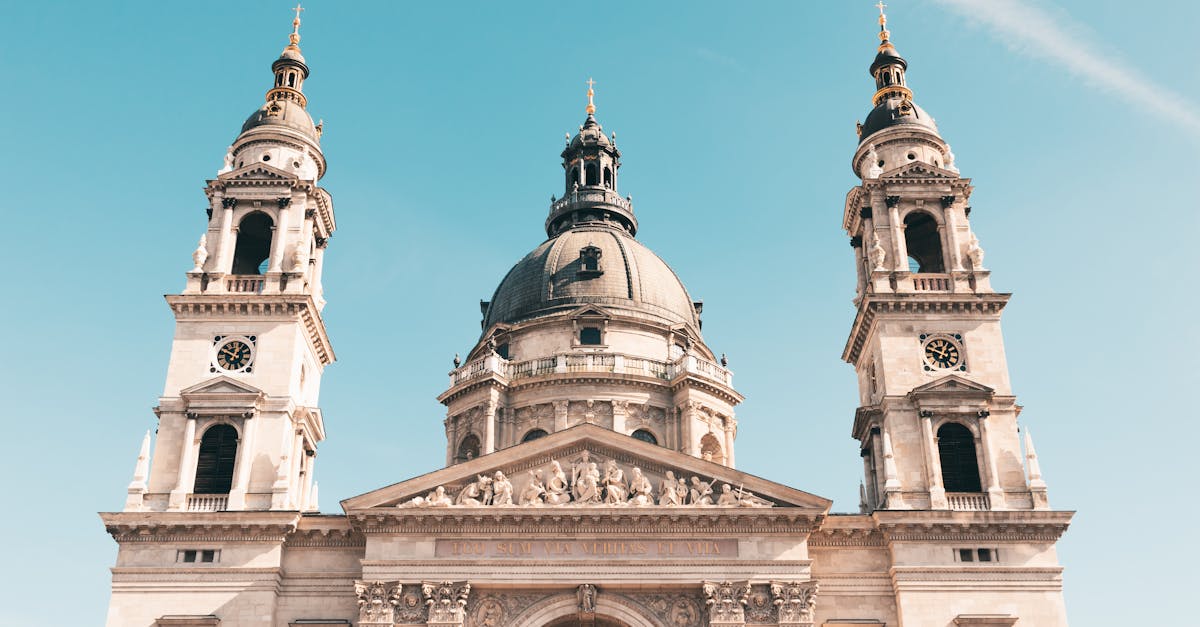
St. Stephen’s Basilica: This impressive church is dedicated to Hungary’s first king, Stephen I. Climb to the top of the dome for a spectacular view of the city and don’t miss the beautiful interior.
Heroes’ Square: A grand square that features the Millennium Monument and is surrounded by the City Park. It’s a great place to learn about Hungary’s history and enjoy the surrounding green space.
Great Market Hall: For a taste of local life, head to the Great Market Hall. Here, you can sample traditional Hungarian foods, buy souvenirs, and experience the vibrant atmosphere.
Danube River Cruise: A cruise on the Danube offers a unique perspective of Budapest’s stunning skyline. Opt for a dinner cruise to enjoy the illuminated city as you dine.
Gellért Hill: For those looking for a bit of a hike, Gellért Hill offers one of the best views of Budapest. The Citadel at the top provides a historical element to your adventure.
Food and Dining Guide#
Hungarian cuisine is a delightful blend of flavors and traditions that reflect the country’s history. Here are some local highlights and must-try dishes.
Goulash: This iconic Hungarian dish is a hearty stew made with beef, vegetables, and paprika. It’s a comforting meal, perfect for chilly days.
Langos: A popular street food, langos is a deep-fried flatbread topped with sour cream, cheese, and garlic. You can find it at various food stalls, especially in markets.
Paprikás Csirke: This chicken paprikash is a classic Hungarian dish cooked in a creamy paprika sauce, usually served with dumplings or noodles.
Chimney Cake (Kürtőskalács): This sweet, spiral pastry is baked over an open flame and coated in sugar. It’s a must-try treat while strolling through the city.
Dobos Torte: A traditional Hungarian dessert, this layered sponge cake filled with chocolate buttercream and topped with caramel is a sweet way to end your meal.
When dining out, you’ll find a mix of casual eateries and more upscale restaurants. Street food is a fantastic way to experience local flavors while keeping your budget in check. Be sure to sample dishes from market stalls and cozy bistros for an authentic taste of Budapest.
Top Tours & Activities

Budapest Self-Guided Danube Discovery Walk -67%
Audio Guides
From $1

Budapest Pub Crawl & Ruin Bar Tour – Free Shots & VIP Entry -50%
Nightlife
From $13

From Budapest: Bratislava and Vienna - Full-Day Guided Tour -40%
Full-day Tours
From $125

Discover the Heart of Budapest A Walking Tour of District V -25%
Walking Tours
From $120

Margaret Island Mystery: Self-Guided Puzzle Quest in Budapest -20%
Walking Tours
From $6
Getting Around Budapest#
Navigating Budapest is relatively easy, thanks to its efficient public transport system. The city boasts an extensive network of trams, buses, and metro lines that can take you to most attractions.
Public Transit: The Budapest public transport system is reliable and affordable. A single ticket allows travel on any form of public transport, and you can purchase travel passes for unlimited rides. The metro system features four lines that connect key areas of the city.
Walking: Many of Budapest’s attractions are within walking distance of one another, especially in the downtown area. Exploring on foot allows you to soak in the city’s architecture and atmosphere.
Taxis: Taxis are available but be cautious and use reputable services. It’s wise to confirm the fare before your ride or ensure the meter is running.
Rental Cars: Renting a car is generally not recommended due to traffic and limited parking. However, if you plan to explore the surrounding countryside, a car can be useful.
Budget Breakdown#
Budapest is known for being budget-friendly, making it an attractive destination for American travelers. Here’s a rough daily budget estimate based on different travel styles:
Budget Travelers: Expect to spend around $50-70 per day. This includes hostel accommodation, street food or casual dining, public transport, and entrance fees to a couple of attractions.
Mid-Range Travelers: A budget of $100-150 per day is reasonable. This allows for a comfortable hotel stay, dining at mid-range restaurants, and a few guided tours or activities.
Luxury Travelers: If you’re looking for a more indulgent experience, budget for $250 and up per day. This includes upscale hotel accommodations, fine dining, and private tours or unique experiences.
Travel Tips for Budapest#
Safety: Budapest is generally safe for tourists. However, as in any city, be aware of your surroundings and keep your belongings secure, especially in crowded areas.
Tipping: Tipping is customary in Hungary. A 10-15% tip is appreciated in restaurants, and rounding up the fare for taxi drivers is common.
Language: While many people in Budapest speak English, learning a few basic Hungarian phrases can enhance your experience and show respect for the local culture.
SIM Cards: If you need mobile data, consider purchasing a local SIM card at the airport or in the city. This will help you stay connected and navigate easily.
Scams to Avoid: Be cautious of overly friendly strangers who may offer unsolicited help or ask for money. Stick to official guides and services for the best experience.
Public Toilets: Many public restrooms in Budapest may charge a small fee. It’s a good idea to carry some change for these situations.
Currency: Hungary uses the Forint (HUF). While credit cards are accepted in many places, it’s beneficial to have some cash on hand for smaller vendors or markets.
Budapest is a city that promises a memorable experience filled with history, culture, and delicious food. With its affordability and charm, it’s easy to see why so many travelers are drawn to this beautiful destination. Whether you’re wandering the streets, soaking in the thermal baths, or indulging in local cuisine, Budapest is undoubtedly worth visiting.
📌 Disclaimer
Prices, schedules, tour details, flight routes, visa requirements, and all other information on this page are based on data at the time of writing. Fares, availability, and policies may change. Please verify current details on the official website before booking.