Photo by Pete Miller Portraits on Pexels
Why Visit Chiang Mai?#
The scent of jasmine wafts through the air, mingling with the rich aroma of grilled meats and fresh herbs, creating an inviting atmosphere in Chiang Mai. This northern Thai city, surrounded by lush mountains and dotted with ancient temples, offers a unique blend of tradition and modernity that captivates travelers. The warm, friendly smiles of the locals, combined with a laid-back lifestyle, make it an ideal spot for those seeking both adventure and relaxation. Chiang Mai is not just a destination; it’s a place where you can experience the heart of Thailand.
Historical significance plays a big role in what makes Chiang Mai special. Once the capital of the Lanna Kingdom, it boasts an impressive array of temples, each telling its own story. The city’s rich history is complemented by its lively arts scene and numerous festivals, like the famous Yi Peng Lantern Festival, where thousands of lanterns illuminate the night sky. Chiang Mai’s charm lies in its ability to offer something for everyone, from serene temples to lively night markets, all while maintaining an affordable travel experience.
Best Time to Visit Chiang Mai#
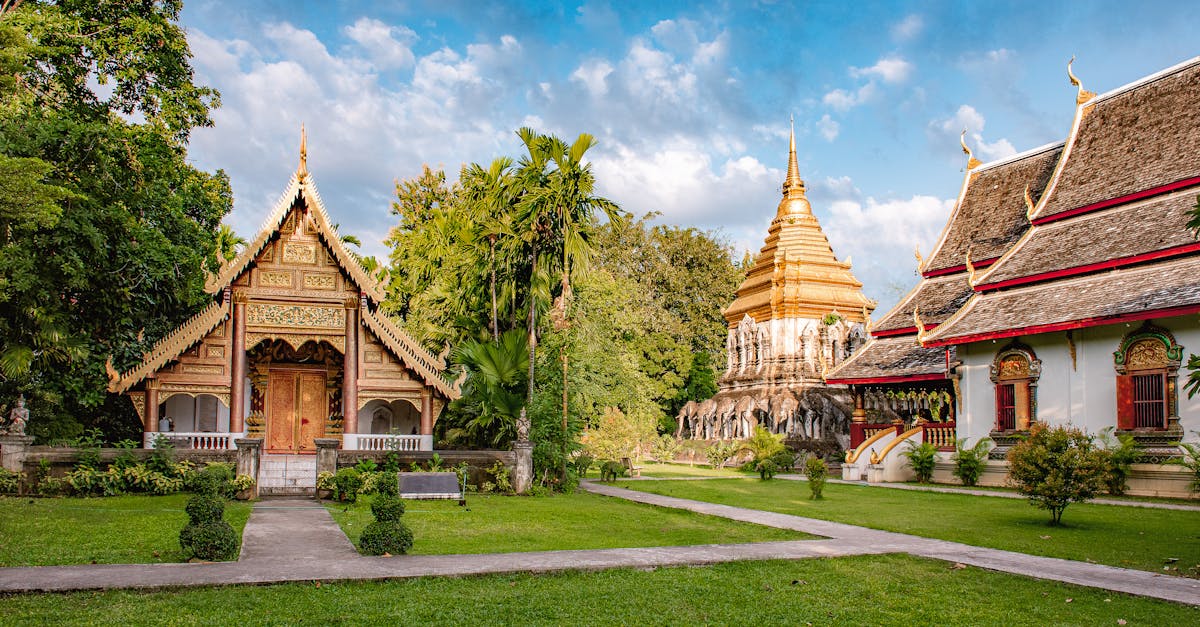
When planning your trip, consider the seasons to maximize your experience in Chiang Mai. The cool season, from November to February, is often regarded as the best time to visit. With temperatures ranging from the mid-60s to low 80s Fahrenheit, the weather is pleasant for outdoor activities and exploring the city. This period also sees an influx of tourists, so expect larger crowds, especially during festivals.
The hot season, which lasts from March to May, can be quite intense, with temperatures soaring into the 90s. While this may deter some visitors, it’s also a time when accommodation prices drop, making it an attractive option for budget travelers. The rainy season from June to October brings cooler temperatures and a lush landscape, but be prepared for occasional downpours. During this time, you can find lower prices and fewer tourists, allowing for a more tranquil experience.
Where to Stay in Chiang Mai#
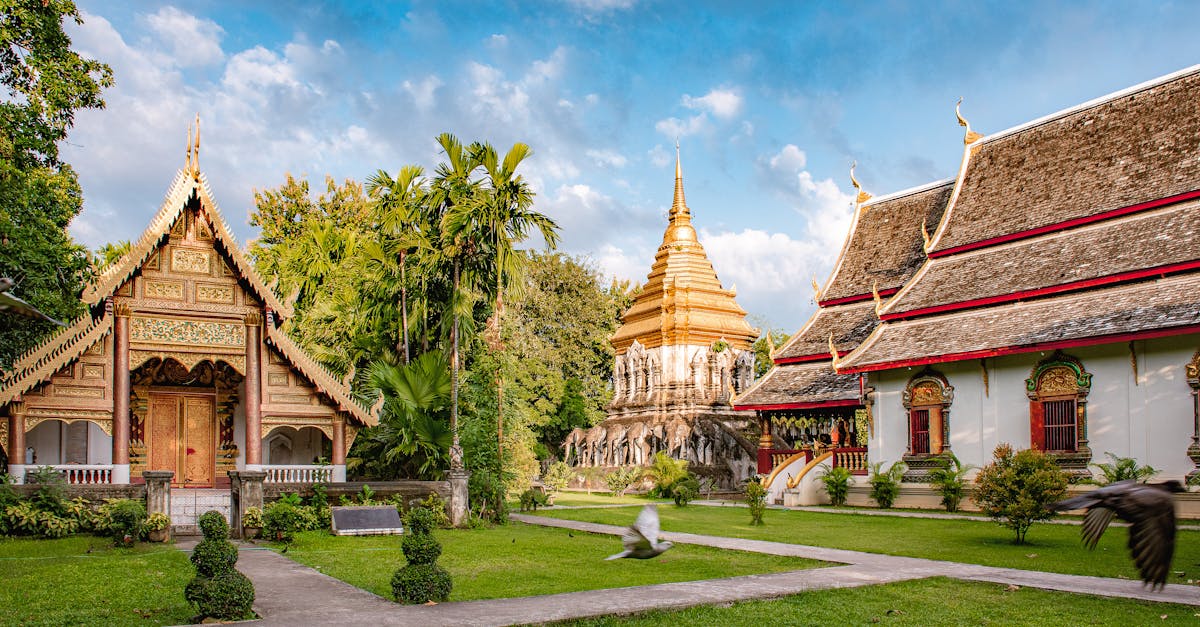
Finding the right neighborhood to stay in can enhance your experience in Chiang Mai. The Old City is an excellent choice for budget travelers, as it is filled with affordable guesthouses and hostels. Staying here puts you within walking distance of many temples, markets, and eateries, allowing you to take in the local culture effortlessly.
For those looking for a mid-range option, the Nimmanhaemin area is popular among younger travelers and expatriates. This trendy neighborhood is known for its coffee shops, boutique stores, and art galleries, making it a lively place to stay. Here, you can find comfortable accommodations that cater to various budgets while enjoying a lively atmosphere.
If you prefer a more luxurious experience, consider the Riverside area. This part of the city offers upscale hotels with stunning views of the Ping River and easy access to fine dining and leisure activities. The Riverside is perfect for travelers seeking a bit more comfort and tranquility while still being close to the city’s attractions.
Top Things to Do in Chiang Mai#
Chiang Mai is home to a range of activities that cater to every interest. Begin your exploration at Wat Phra That Doi Suthep, one of the most revered temples in Thailand. Perched on a mountain, the temple offers breathtaking views of the city below and is a must-see for its stunning architecture and spiritual significance. The journey to the temple involves a winding road, but the serene atmosphere and the golden chedi make it worthwhile.
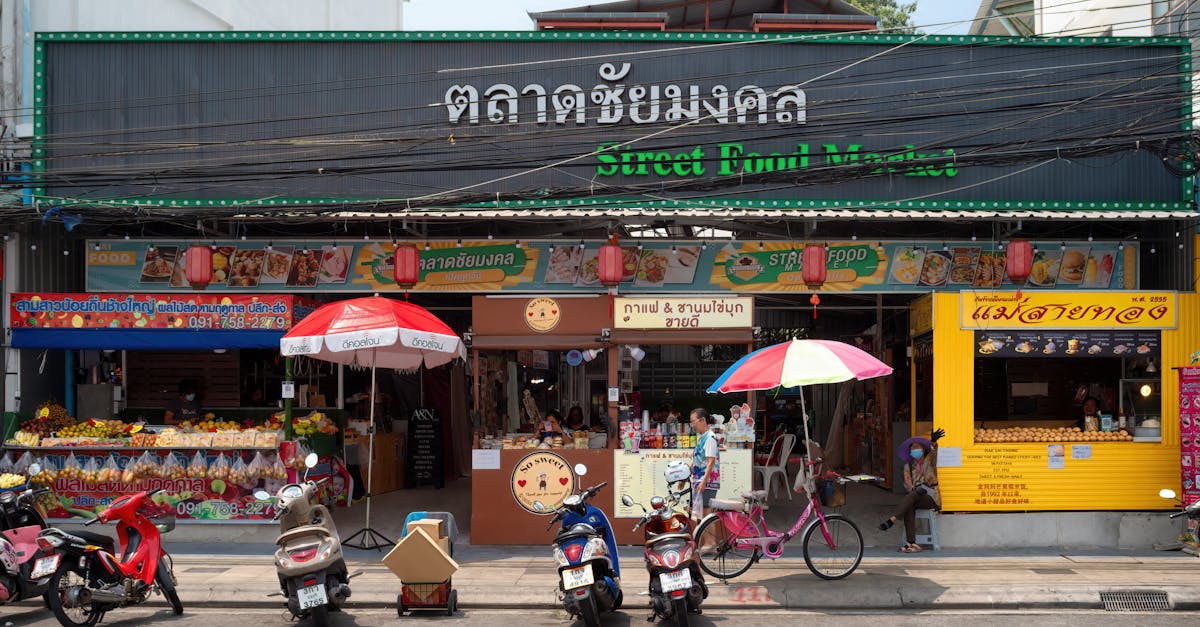
Another enriching experience awaits at the Chiang Mai Night Bazaar, where the vibrancy of local life comes alive after sunset. Stroll through stalls selling everything from handmade crafts to delicious street food. The market is a great place to pick up souvenirs and sample local delicacies while enjoying the lively ambiance.
For a taste of nature, head to Elephant Nature Park, a sanctuary dedicated to rescuing and rehabilitating elephants. Unlike traditional elephant shows, this park allows you to observe these gentle giants in their natural habitat, making it a more ethical choice. Your visit supports conservation efforts and provides a unique opportunity to learn about these magnificent creatures.
If you’re interested in local crafts, visit the San Kamphaeng Hot Springs located just outside the city. Here, you can relax in natural hot springs and enjoy the beautiful surroundings. It’s a perfect day trip for those looking to unwind and take in the therapeutic waters.
Adventure seekers can explore the Doi Inthanon National Park, home to Thailand’s highest peak. This park features stunning waterfalls, hiking trails, and rich biodiversity, making it an ideal spot for outdoor enthusiasts. Whether you want to hike to the summit or simply enjoy the scenic views, Doi Inthanon offers a refreshing escape from the city.
For those interested in traditional Thai culture, participating in a cooking class can be a fun and educational experience. Many classes take you to local markets to shop for ingredients before teaching you how to prepare authentic dishes. It’s a great way to connect with local cuisine and take a piece of Thailand home with you.
Don’t forget to visit the Chiang Mai Sunday Walking Street Market, held every Sunday evening. The market transforms the Old City into a pedestrian paradise filled with food stalls, crafts, and local art. It’s an excellent opportunity to taste various street foods while enjoying live music and performances.
Lastly, consider a visit to the Bua Thong Waterfalls, also known as the Sticky Waterfalls. This unique natural wonder allows you to climb the limestone rocks without slipping, providing a fun and adventurous day out. Surrounded by lush jungle, it’s a beautiful spot for a picnic and a refreshing dip.
Food and Dining Guide#
Chiang Mai’s culinary scene is a highlight of any visit, showcasing the flavors of northern Thailand. Start your food journey with Khao Soi, a creamy coconut curry noodle soup that is a local favorite. This dish is often served with crispy noodles on top and is a must-try for anyone looking to experience authentic northern Thai cuisine.
Street food is abundant, and the Chiang Mai street food scene is lively, especially at night markets. Don’t miss out on Sai Oua, a flavorful northern Thai sausage made with herbs and spices, which is often grilled to perfection and served with sticky rice. Pair it with a refreshing Som Tum, a spicy green papaya salad that adds a zesty kick to your meal.
For a sweet treat, try Mango Sticky Rice, a delightful dessert made with glutinous rice, fresh mango, and coconut milk. This dish is a favorite among locals and tourists alike and is the perfect way to satisfy your sweet tooth.
Restaurants in Chiang Mai offer a range of dining experiences, from casual eateries to more upscale options. If you’re looking for something a bit different, consider trying Larb, a spicy minced meat salad that embodies the flavors of the region. Many restaurants serve it with fresh vegetables and sticky rice, making for a hearty meal.
Don’t forget to explore the local coffee culture. Chiang Mai has a growing number of cafes that serve local brews, often made from beans sourced from nearby plantations. Enjoying a cup of coffee while people-watching in a cozy café can be a delightful way to spend an afternoon.
Getting Around Chiang Mai#
Navigating Chiang Mai is relatively easy and budget-friendly. The city has a variety of transportation options, making it convenient for travelers. Songthaews, red pickup trucks converted into shared taxis, are a popular choice for getting around. They operate on set routes and are an affordable way to travel short distances.
For those who prefer a more private option, tuk-tuks are available and can be hired for short trips. Always negotiate the fare before getting in to avoid any surprises. If you’re feeling adventurous, renting a bicycle is a great way to explore the city at your own pace. Many guesthouses offer bike rentals, allowing you to pedal through the picturesque streets and discover local attractions.
Walking is another excellent way to experience Chiang Mai, particularly in the Old City where many attractions are within close proximity. The charming streets are lined with temples, shops, and cafes, making it a pleasant area to explore on foot.
While public transport is limited, there are a few bus services that connect the city to nearby attractions. If you plan to venture further out, consider renting a scooter, but be sure to have a valid license and wear a helmet for safety.
Budget Breakdown#
Traveling in Chiang Mai can be very affordable, depending on your preferences. For budget travelers, daily expenses can range from $30 to $50. This includes staying in budget accommodations, enjoying street food, and using public transportation. Many attractions are either free or have a minimal entrance fee, making it easy to explore without overspending.
Mid-range travelers can expect to spend around $70 to $120 per day. This budget allows for more comfortable accommodations, meals at local restaurants, and perhaps a few guided tours or activities. You can still enjoy many of the city’s attractions without breaking the bank.
For those seeking a luxury experience, daily expenses can range from $150 and up. This budget allows for upscale accommodations, fine dining, and private tours. While Chiang Mai offers luxurious options, you can still find ways to enjoy the city’s charm without sacrificing quality.
Travel Tips for Chiang Mai#
Respect Local Customs: When visiting temples and local homes, it’s essential to dress modestly. Cover your shoulders and knees, and remove your shoes before entering sacred spaces. This shows respect for the local culture and traditions.
Bargain Wisely: When shopping at markets, bargaining is part of the experience. Start by offering half of the asking price and negotiate from there. It’s all in good fun, and many vendors expect it.
Stay Hydrated: The climate can be warm, especially during the hot season. Always carry water with you to stay hydrated and avoid heat exhaustion while exploring.
Learn Basic Thai Phrases: Knowing a few basic Thai phrases can enhance your experience. Simple greetings and expressions of gratitude can go a long way in connecting with locals.
Plan for Festivals: If you can, try to coincide your visit with one of Chiang Mai’s festivals. Events like the Yi Peng Lantern Festival or Songkran (Thai New Year) provide unique cultural experiences, but they can also draw large crowds, so plan accordingly.
Use Cash: While credit cards are accepted in many places, cash is still king in Chiang Mai. ATMs are widely available, but it’s a good idea to carry small bills for street food and market purchases.
Explore Beyond the City: While Chiang Mai has much to offer, consider taking day trips to nearby attractions like waterfalls, national parks, or local villages. This can provide a different perspective on the region and its culture.
Chiang Mai is a destination that caters to all types of travelers, and with careful planning, it can be explored without overspending. Whether you’re drawn by the history, the food, or the natural beauty, this northern city promises an enjoyable experience that will leave you wanting to return. If you’re also considering a trip to Phuket, Thailand, check out our guide for more insights.