Photo by Marcelo Mora on Pexels
Why Visit Cusco?#
The moment you step into Cusco, the air is filled with the scent of fresh bread and the faint aroma of roasting coffee, mingling with the crisp mountain breeze. This city, once the heart of the Inca Empire, is a remarkable blend of ancient history and modern vibrancy. Cobblestone streets wind through neighborhoods where colonial architecture stands proudly alongside Inca ruins, creating a unique atmosphere that draws travelers from all over the world. Cusco is not just a stopover on the way to Machu Picchu; it is a destination that offers a deep dive into Peru’s history, culture, and natural beauty.
Cusco’s charm lies in its ability to transport visitors back in time while providing all the comforts of contemporary life. The historic center, a UNESCO World Heritage site, showcases stunning plazas, cathedrals, and ancient stonework, while local markets buzz with color and activity. The city’s elevation at over 11,000 feet means that the views are spectacular, with the surrounding Andes framing the horizon. For those seeking adventure, history, or a taste of local life, Cusco offers a diverse range of experiences that cater to every traveler.
Best Time to Visit Cusco#
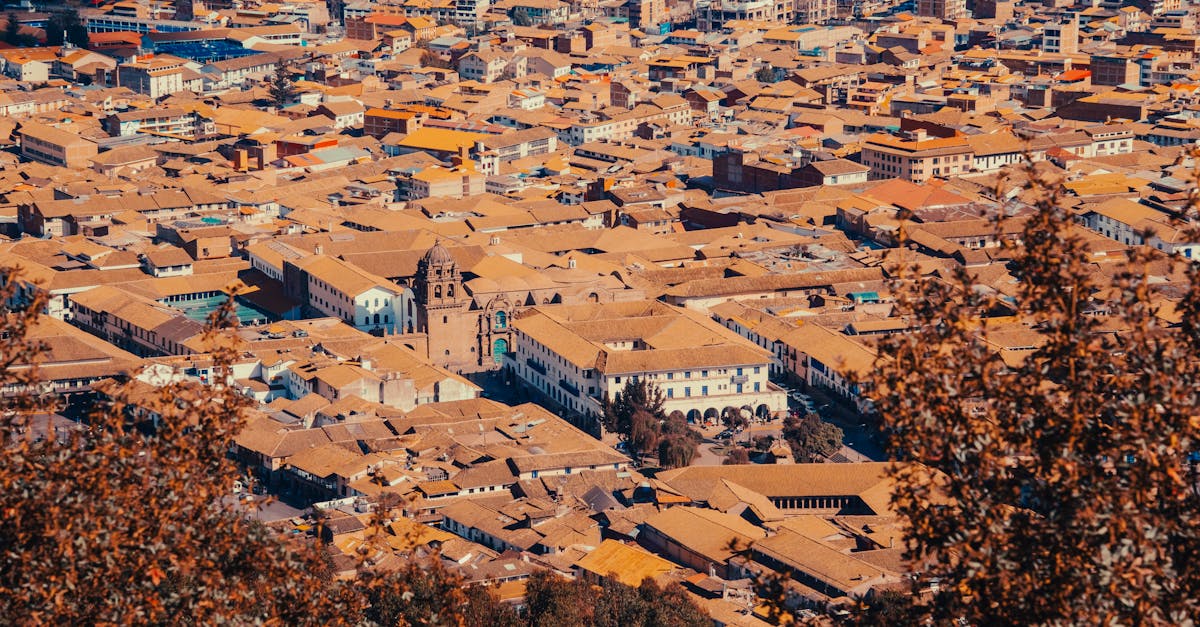
The best time to visit Cusco largely depends on your interests and tolerance for crowds. The dry season, which runs from May to September, is the most popular time, offering sunny days and minimal rainfall. June and July are peak months, attracting tourists eager to explore the Inca Trail and surrounding attractions. During this period, expect larger crowds and higher prices for accommodations and activities.
If you prefer fewer tourists and are willing to brave some rain, consider visiting during the shoulder months of April and October. The weather is milder, with occasional showers, but the scenery is lush and green. The rainy season from November to March sees a significant drop in tourists, and while the weather can be unpredictable, it also brings a unique beauty to the region. Prices for accommodations and activities are generally lower during this time, making it an attractive option for budget-conscious travelers.
Where to Stay in Cusco#
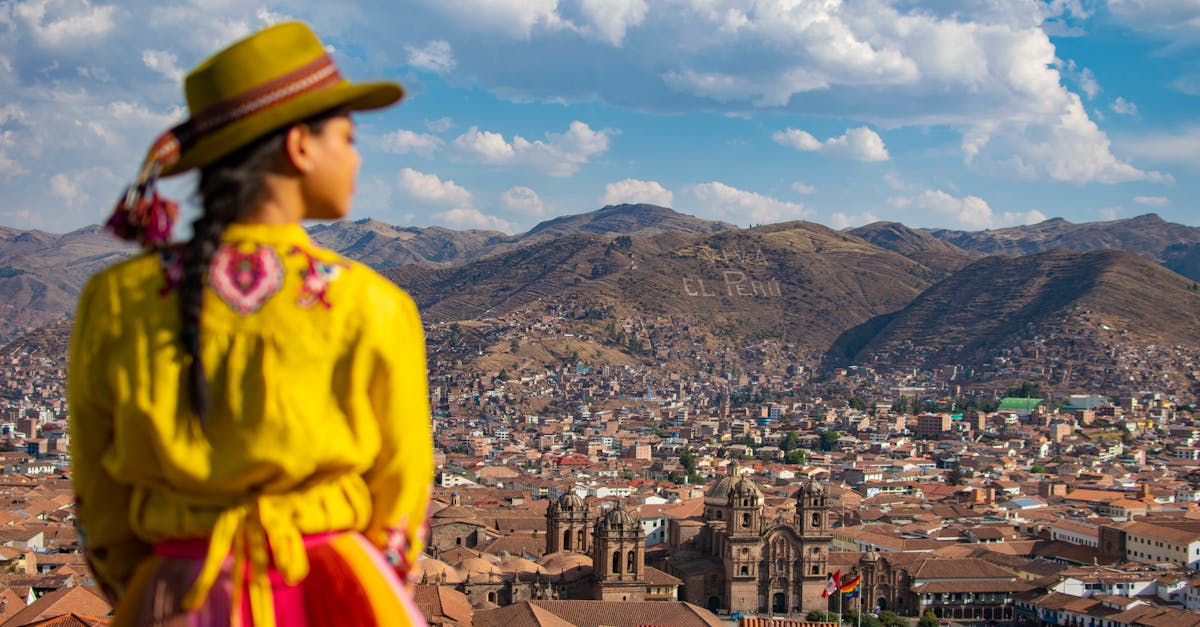
When it comes to finding the perfect place to stay in Cusco, the choice of neighborhood can greatly influence your experience. The Historic Center is ideal for first-time visitors, with its proximity to major attractions like the Plaza de Armas and the Cathedral. Here, budget hotels typically start around $30-50 per night, while mid-range options can range from $70-120. Luxury travelers will find elegant accommodations that capture the essence of colonial architecture, often featuring stunning views of the surrounding mountains.
For those seeking a more local experience, the San Blas neighborhood is a charming area known for its artsy vibe and narrow, winding streets. This district is home to many guesthouses and boutique hotels, making it a great choice for mid-range travelers. Here, you can enjoy a blend of local art and culture, with artisan shops and cozy cafés lining the streets.
If you prefer a quieter atmosphere away from the hustle and bustle, the Saqsayhuamán area offers a peaceful retreat within walking distance of the city center. This neighborhood features a mix of budget and mid-range accommodations, often set in scenic locations with beautiful views of the city and surrounding hills. Luxury options in this area provide a tranquil escape, with lush gardens and serene surroundings.
For those who want to experience the local lifestyle, consider staying in Cusco’s suburbs. This area is less touristy, giving you a chance to interact with residents and experience daily life. Budget accommodations are available, making it an economical choice for travelers looking to stretch their dollars.
Top Things to Do in Cusco#
One of the first stops for many visitors is the Plaza de Armas, the heart of Cusco. This busy square is surrounded by impressive colonial buildings and is a great place to soak up the atmosphere. Nearby, the Cusco Cathedral stands as a testament to the city’s colonial past, featuring intricate woodwork and stunning altars that reflect the blend of indigenous and Spanish influences.
Just a short walk from the plaza, the Qorikancha (Temple of the Sun) is a must-see. Once one of the most important temples of the Inca Empire, it now houses a colonial church built atop its stone foundations. The contrast between the Inca stonework and the Spanish architecture is striking and provides insight into the city’s history.
For a taste of local life, head to the San Pedro Market, where you can find fresh produce, traditional textiles, and a variety of local snacks. This market is a sensory delight, with the sounds of vendors calling out their wares and the lively colors of fruits and vegetables creating an inviting atmosphere. Sampling some local specialties here is highly recommended.
If you’re up for a short hike, the Saqsayhuamán ruins are located just above the city. This archaeological site features massive stone walls and offers breathtaking views of Cusco. The site is a testament to Inca engineering and is a great place to explore the region’s history while enjoying the natural surroundings.
While in Cusco, don’t miss the chance to visit the Moray archaeological site. Located a bit further out, this site features a series of circular terraces that were used for agricultural experimentation by the Incas. The unique design and stunning landscape make it a worthwhile excursion.
For art enthusiasts, the Museo de Arte Precolombino showcases a vast collection of pre-Columbian art from various cultures across Peru. The museum’s exhibits provide a fascinating glimpse into the artistry and craftsmanship of ancient civilizations.
Finally, a visit to Cusco wouldn’t be complete without experiencing a traditional Pachamama ceremony. These rituals, often held in the Sacred Valley, are a way to honor Mother Earth and connect with local customs. Participating in one of these ceremonies offers a unique insight into the spiritual beliefs of the Andean people.
Food and Dining Guide#
Cusco’s culinary scene is a reflection of its diverse cultural influences, and there are plenty of delicious dishes to try. Start your culinary adventure with Ceviche, a dish of fresh fish marinated in lime juice, typically served with onions and cilantro. This refreshing dish is a staple in Peru and is available in many restaurants and street stalls throughout the city.
Another must-try is Lomo Saltado, a stir-fry dish that combines marinated strips of beef, tomatoes, onions, and French fries, often served with rice. This dish exemplifies the fusion of Peruvian and Chinese flavors, known as Chifa cuisine, which has become popular in Cusco.
For something heartier, consider trying Aji de Gallina, a creamy chicken dish made with aji amarillo peppers and walnuts. It’s typically served over rice and is both comforting and flavorful. This dish is a great representation of the local flavors and is widely available in both casual eateries and upscale restaurants.
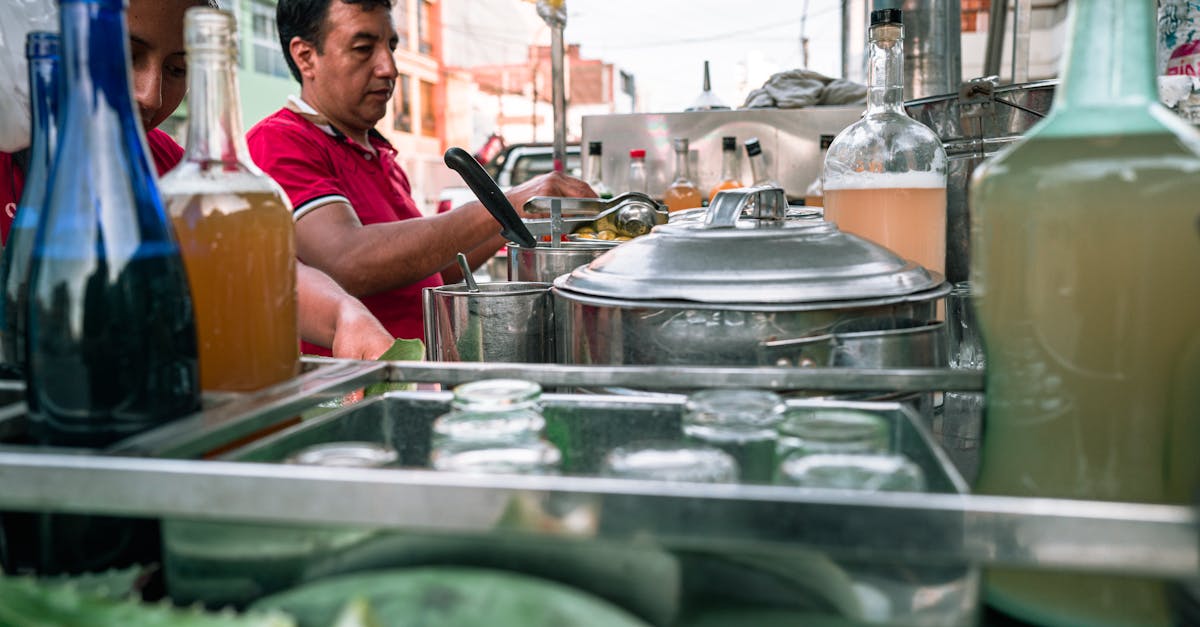
Don’t forget to explore the street food scene, where you can find local favorites like Anticuchos—grilled skewers of marinated beef heart—often served with a spicy sauce. Street vendors offer these tasty bites at affordable prices, making them perfect for a quick snack while exploring.
For dessert, indulge in Alfajores, sweet cookies filled with dulce de leche and often coated in powdered sugar. These treats are perfect for satisfying your sweet tooth while enjoying the local café culture.
Getting Around Cusco#
Navigating Cusco is relatively straightforward, thanks to its compact size and walkable streets. Many of the main attractions are within walking distance of each other, allowing you to take in the sights and sounds of the city at your own pace. Comfortable walking shoes are a must, as the cobblestone streets can be uneven.
For longer distances, taxis are readily available and can be a convenient way to reach destinations outside the city center. It’s advisable to agree on a fare before starting your journey, as many taxis do not use meters. Alternatively, ride-sharing apps are also popular and can provide a reliable option for transportation.
Public transit in Cusco primarily consists of minibuses and combis, which can be a fun way to experience local life. These vehicles are inexpensive and connect various neighborhoods, but they can be crowded and may not adhere to a strict schedule.
If you’re considering exploring the surrounding areas, renting a car can provide flexibility. However, be prepared for narrow roads and local driving habits, which can be quite different from what you might be used to. Many travelers find that guided tours are a great way to see nearby attractions while leaving the driving to someone else.
Budget Breakdown#
Understanding the cost of travel in Cusco is essential for planning your trip. For budget travelers, daily expenses can range from $30 to $60. This typically includes staying in hostels or budget hotels and enjoying meals at local markets or inexpensive eateries. Transportation costs are minimal if you rely on walking and public transit.
Mid-range travelers can expect to spend between $70 and $150 per day. This budget allows for comfortable accommodations, dining at a mix of local restaurants and cafes, and participating in various activities and excursions. Taxis and occasional guided tours can also fit within this range.
Luxury travelers should plan for daily expenses of $200 and above. This budget can cover upscale accommodations, fine dining experiences, and private tours to explore the region in style. It’s an opportunity to indulge in the best that Cusco has to offer while enjoying personalized service.
Travel Tips for Cusco#
Altitude Awareness is crucial when visiting Cusco due to its high elevation. It’s advisable to take it easy during your first few days to acclimatize. Drinking plenty of water and avoiding alcohol can help mitigate altitude sickness.
Cash is King in Cusco, especially in local markets and smaller establishments. While many places accept credit cards, it’s wise to carry some cash for street food and small purchases. ATMs are widely available, but be cautious and use machines located in well-lit areas.
Cultural Respect is essential when interacting with locals. Learning a few basic Spanish phrases can go a long way in building rapport and showing respect for the culture. Additionally, being mindful of local customs, especially in sacred sites, is appreciated.
Pack for Varying Weather. Cusco’s weather can change quickly, so it’s wise to dress in layers. Mornings and evenings can be chilly, while afternoons may warm up significantly. A light rain jacket is also recommended, particularly if you visit during the rainy season.
Stay Hydrated and consider drinking coca tea, a local remedy that can help with altitude adjustment and digestion. It’s widely available and is a comforting way to warm up after a day of exploration.
If you’re also considering a trip to Buenos Aires, Argentina, you’ll find a distinct cultural experience that complements your journey through Peru.
With its remarkable history, stunning landscapes, and delicious cuisine, Cusco is a destination that offers a rich and rewarding travel experience. Whether you’re wandering through ancient ruins or savoring local dishes, the city’s charm is sure to leave a lasting impression.