📌 Disclaimer
Prices, schedules, tour details, flight routes, visa requirements, and all other information on this page are based on data at the time of writing. Fares, availability, and policies may change. Please verify current details on the official website before booking.
Why Get an eSIM for Belize#
Acquiring a digital profile for your smartphone eliminates the need to visit local storefronts upon landing at Philip S.W. Goldson International Airport. Traditional physical cards require a trip to a kiosk, presenting passports, and fiddling with tiny SIM trays using a paperclip. By installing a digital profile ahead of time, your phone connects to local networks immediately, keeping your home number active for important two-factor authentication texts while using local data for navigation and messaging apps.
Furthermore, digital profiles protect your physical SIM card from loss or damage while you are on the move. When traveling between coastal cayes and mainland rainforests, keeping your original carrier chip safely inside your phone maintains your peace of mind. You can manage multiple profiles on modern smartphones, switching between data plans effortlessly without ever opening your device chassis.
Another major advantage is the ability to bypass physical roaming charges from domestic carriers that often bill high daily rates for minimal megabytes. Digital connectivity options offer transparent pricing upfront so you know exactly what you are spending before you board your flight. This eliminates unexpected phone bills waiting for you at the end of your trip.
Available Plans Compared#
Travelers have four distinct data packages to choose from when heading to this destination. The smallest option provides 1 GB Belize travel eSIM valid for 7 days priced at $9. This entry-level tier suits short weekend trips or visitors who rely primarily on hotel Wi-Fi and only need a basic connection for occasional mapping and messaging on the go.

For slightly longer trips, the 2 GB Belize travel eSIM valid for 15 days costs $18. This doubles your data allowance and extends the validity period to two weeks, making it a reliable choice for moderate users who check emails, upload occasional photos, and use ride-sharing or local transport apps frequently throughout their fortnight in the country.
Longer stays require extended data allowances, fulfilled by the 3 GB Belize travel eSIM valid for 30 days priced at $26. This option gives you a full month of connectivity, which accommodates remote workers or extended vacationers who need steady access to online resources over a prolonged period without worrying about a rapid expiration date.
The largest offering is the 5 GB Belize travel eSIM valid for 30 days available for $48. This tier is designed for heavy data users who stream music, make frequent video calls, or share media-heavy updates on social platforms while exploring mainland ruins and coastal islands. Each of these four packages provides a specific balance of duration and data volume to match different travel styles.
Best Value: Which Plan Saves You the Most#
When calculating the cost efficiency of these options, the 3 GB Belize travel eSIM valid for 30 days at $26.50 for 3GB ($8.83/GB) stands out as the Best value selection. Breaking down the math reveals that paying $8.83 per gigabyte offers a significantly lower per-gigabyte rate than smaller tiers, while still providing a generous 30-day window to use your data without rushing.
Comparing this to the entry-level 1 GB package priced at $9 shows that you pay $9 per gigabyte for the smallest amount of data. Meanwhile, the 2 GB plan at $18 also works out to $9 per gigabyte, meaning neither of the shorter-term options undercuts the rate of the 3 GB choice. The largest 5 GB plan costs $48 total, which calculates to $9.60 per gigabyte, making it slightly more expensive per unit than the mid-tier option despite its higher overall price tag.
Therefore, selecting the 3 GB package not only secures the lowest unit cost per gigabyte among all available choices, but it also grants a full month of validity. This makes it the most economical choice for anyone planning a standard vacation who wants to avoid overpaying for megabytes while maintaining a comfortable data cushion for everyday navigation and communication needs.
How to Install Your eSIM Before Traveling#
Preparing your device before departure ensures you will have a working connection the moment your aircraft touches down. First, verify that your smartphone is carrier-unlocked and compatible with digital SIM technology. Most modern flagship devices from Apple, Samsung, and Google manufactured within the last several years support this technology natively without requiring any external hardware attachments.

Next, purchase your chosen package online and you will receive a QR code via email along with manual activation instructions. Open your phone settings menu, navigate to the cellular or mobile data section, and select the option to add a cellular plan or digital profile. Scan the QR code provided in your confirmation message using your phone’s camera, or enter the SM-DP+ address and activation code manually if scanning is not possible.
Once the profile downloads to your device, label it clearly—such as “Belize Data”—so you can easily distinguish it from your primary home carrier line. Leave the data roaming toggle turned off for this new line until you arrive at your destination, ensuring no data is consumed prematurely while you are still at home. When you land abroad, simply enable data roaming for the new profile while keeping your home line data disabled to avoid roaming fees.
eSIM vs Physical SIM vs Roaming#
Evaluating connectivity methods highlights clear differences between digital profiles, traditional plastic cards, and international roaming add-ons from domestic carriers. International roaming is historically the most convenient because it requires zero setup, but it is also overwhelmingly the most expensive. Major domestic networks frequently charge high daily access fees for restrictive data caps, turning a two-week trip into a very costly phone bill.
Purchasing a physical local SIM card upon arrival represents a cheaper alternative, but it comes with distinct logistical drawbacks. Travelers must locate a functioning mobile shop, wait in line, present identification documents, and physically swap out their home SIM card. This risks losing the tiny home SIM card while traveling and temporarily cuts off access to your primary phone number for receiving standard cellular calls and banking verification texts.
Digital profiles combine the low cost of local options with the absolute convenience of roaming. You can purchase and install the profile from your living room weeks before your flight, retaining your physical home SIM in the phone tray. As soon as you arrive, the device switches to the local network instantly without requiring a visit to a physical storefront or an identity check at a kiosk.
Furthermore, managing multiple digital profiles allows frequent flyers to store several country profiles simultaneously on a single device. You can switch between profiles through your settings menu with just a few taps, making multi-country itineraries completely seamless. This technological shift renders traditional physical card swapping largely obsolete for modern international travelers.
Tips for Staying Connected in Belize#
Maximizing your data allowance during your journey requires a few practical habits to prevent background apps from chewing through your megabytes unexpectedly. Start by adjusting your phone settings to restrict automatic operating system updates and cloud backups over cellular data, ensuring these large file transfers only occur when your device connects to a secure Wi-Fi network at your hotel or accommodation.
Social media applications are notorious data consumers because they auto-play videos and load high-resolution images as you scroll. Navigate into the settings menu of your most frequently used social and messaging apps to disable auto-play video features and restrict photo uploads to Wi-Fi-only connections. This simple adjustment preserves your data package for essential tasks like checking maps, reading transport schedules, and communicating with local guides.
Downloading offline maps before venturing into remote areas like the interior rainforests or less-developed cayes guarantees you will never lose your way if cellular coverage drops temporarily. Applications like Google Maps and Maps.me allow you to save entire regional grids to your device memory ahead of time. This ensures turn-by-turn navigation functions smoothly even when you are completely offline during jungle hikes or boat excursions.
Finally, keep a close eye on your remaining data balance by monitoring your device’s built-in usage tracker located within the cellular settings menu. If you notice your data is depleting faster than expected, switch off location services for apps that do not strictly require GPS tracking in the background. Practicing these mindful usage habits will keep your connection running smoothly throughout your entire travel itinerary.
📌 Disclaimer
Prices, schedules, tour details, flight routes, visa requirements, and all other information on this page are based on data at the time of writing. Fares, availability, and policies may change. Please verify current details on the official website before booking.
Top Tours & Activities
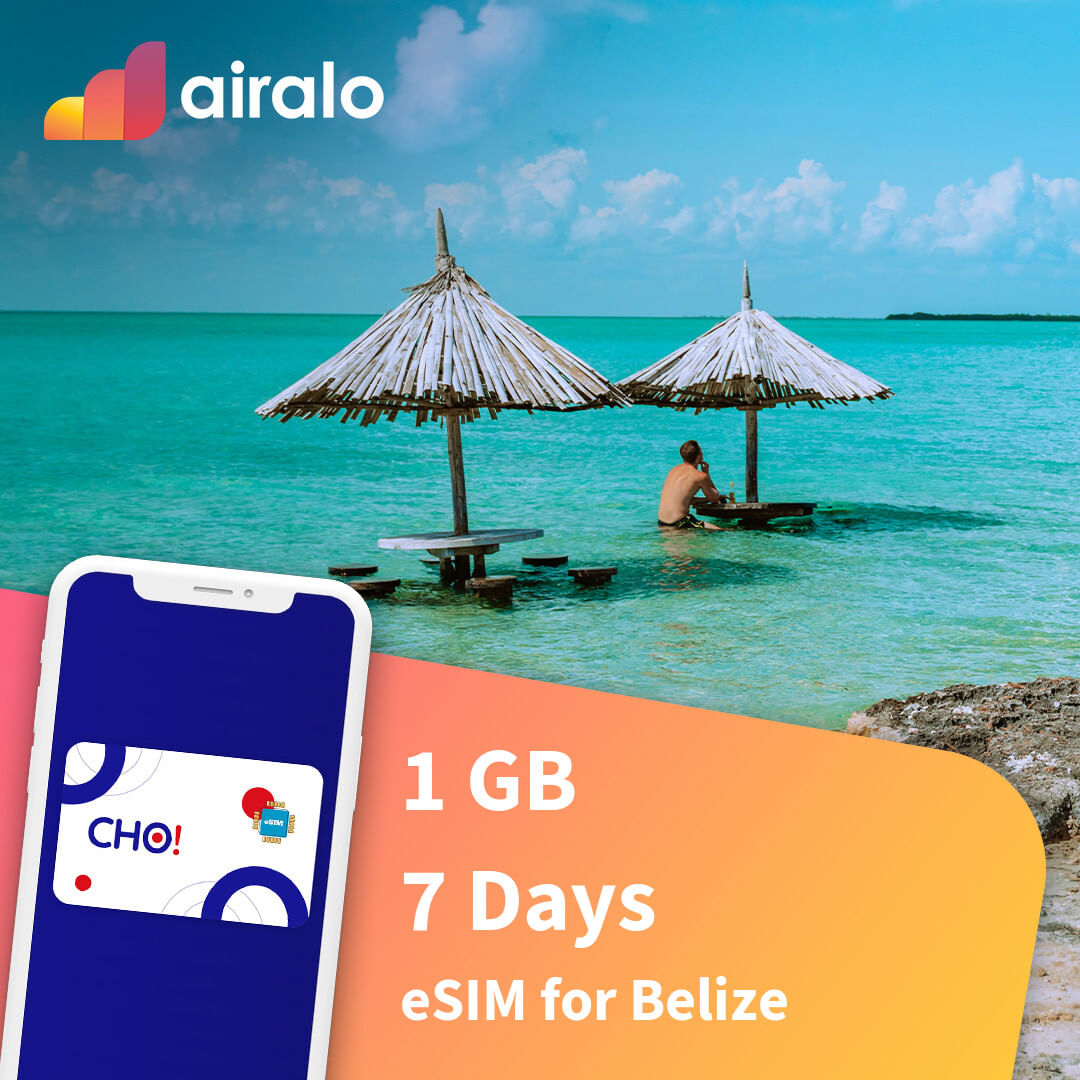
1 GB Belize travel eSIM valid for 7 days
eSIM Plan
From $9
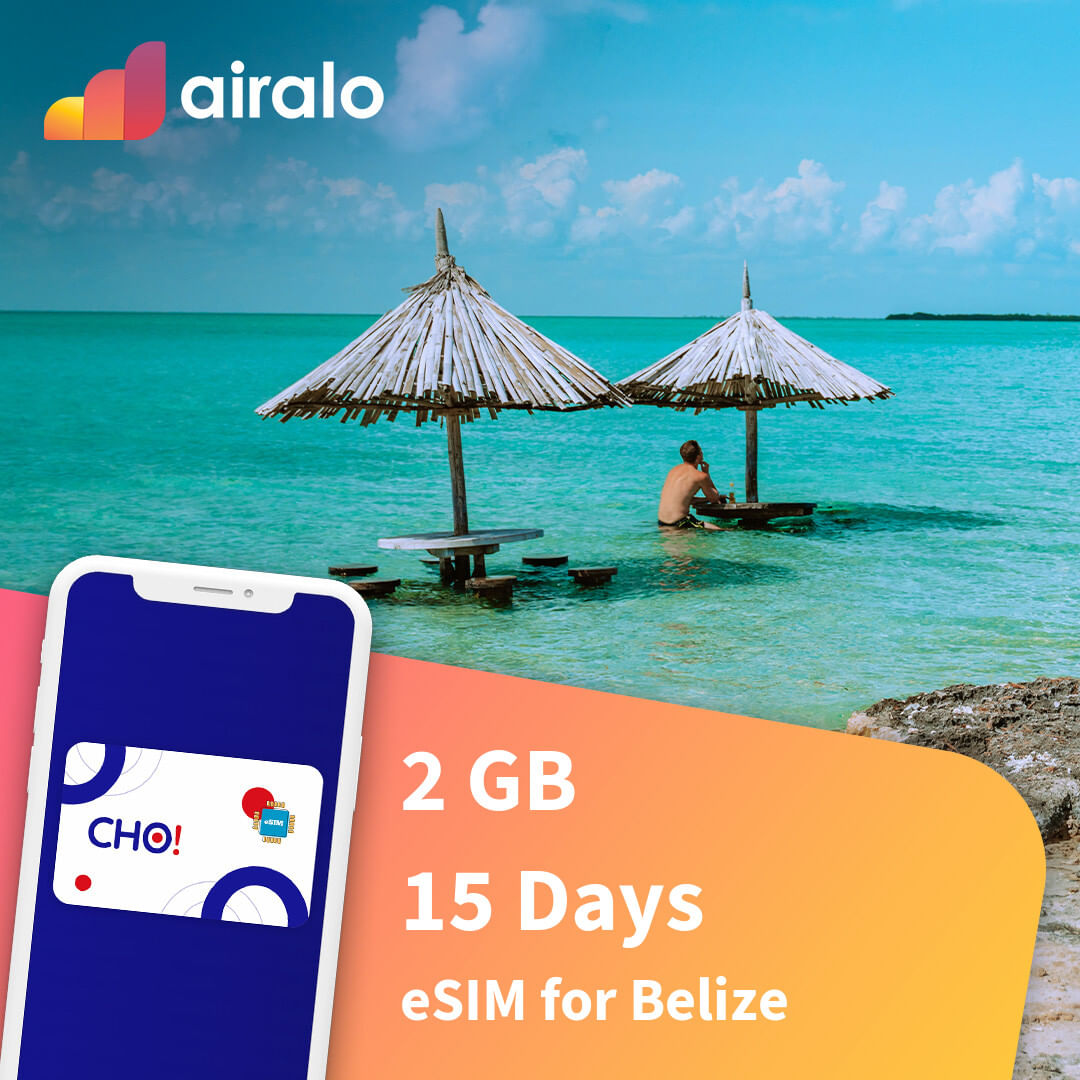
2 GB Belize travel eSIM valid for 15 days
eSIM Plan
From $18
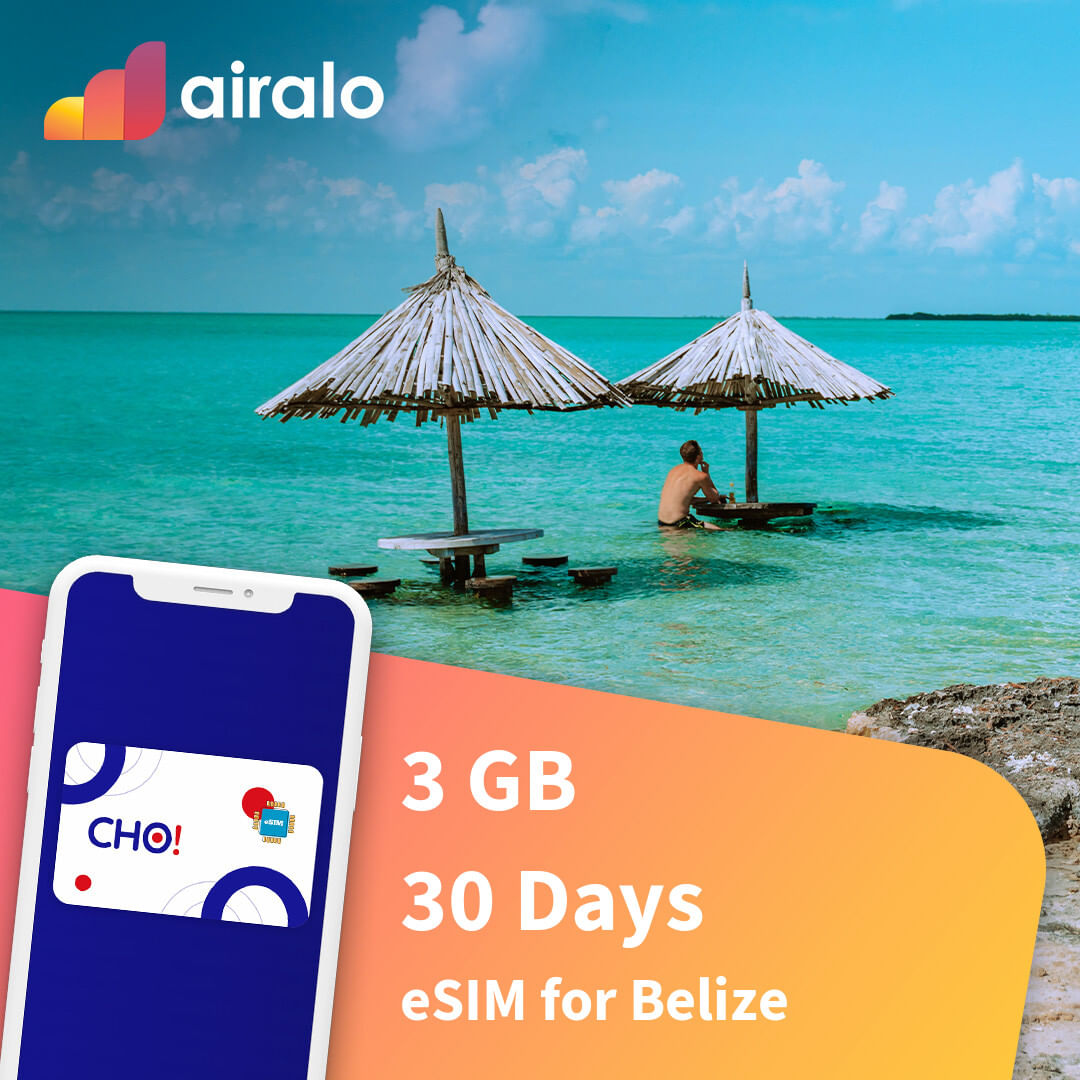
3 GB Belize travel eSIM valid for 30 days
eSIM Plan
From $26
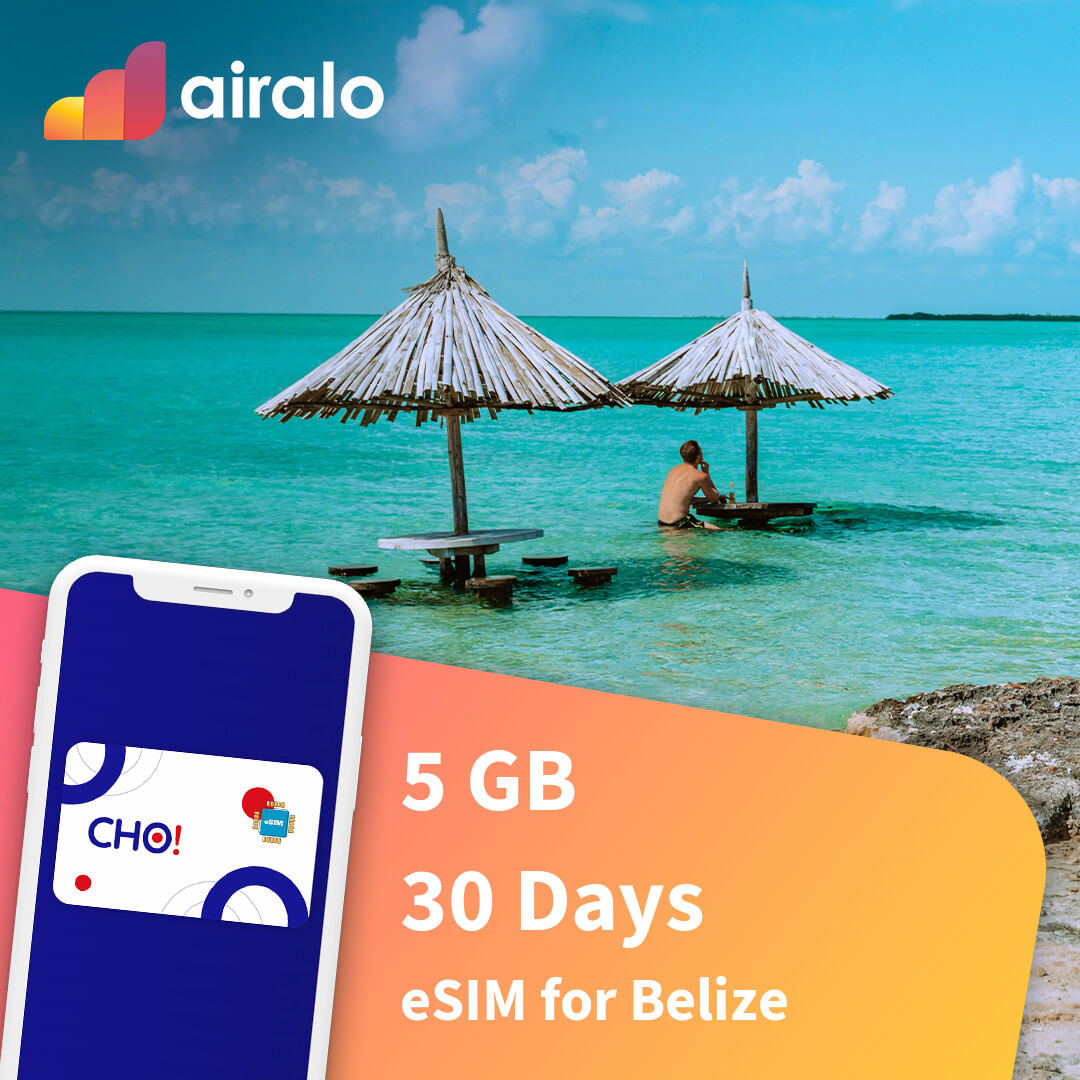
5 GB Belize travel eSIM valid for 30 days
eSIM Plan
From $48
📌 More about Belize
📌 More about Belize