📌 Disclaimer
Prices, schedules, tour details, flight routes, visa requirements, and all other information on this page are based on data at the time of writing. Fares, availability, and policies may change. Please verify current details on the official website before booking.
Why Get an eSIM for Caribbean Islands#
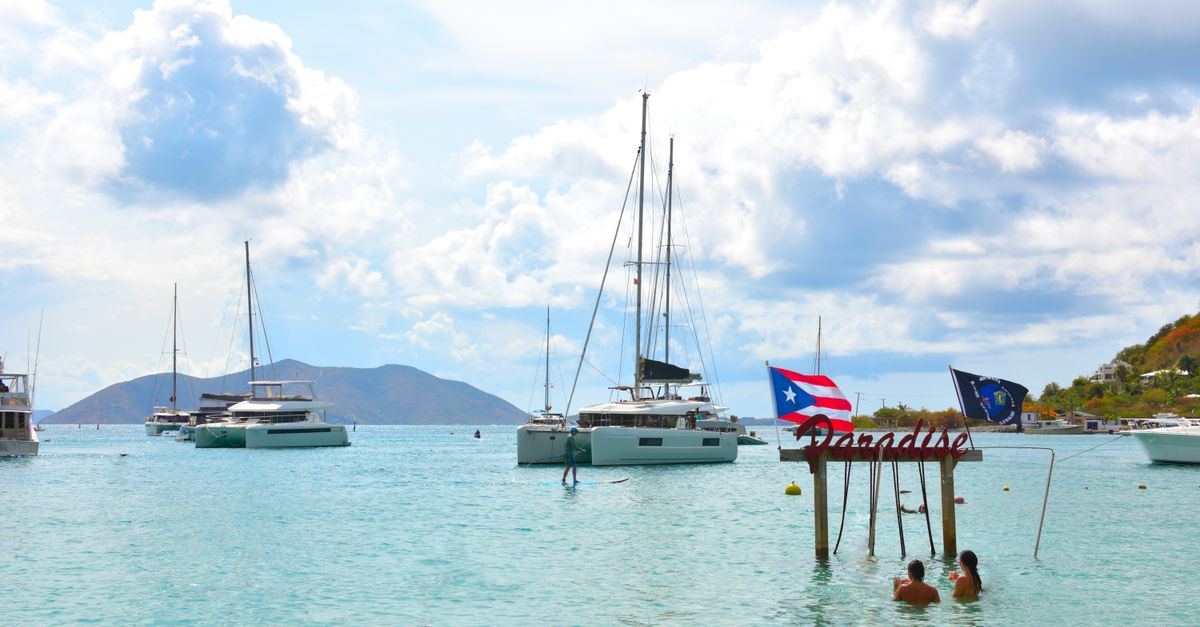
The primary advantage of using an eSIM for the Caribbean Islands is the ability to maintain connectivity across multiple destinations with a single digital profile. The Caribbean is an archipelago comprising numerous nations and territories. When you purchase a regional eSIM, you are not limited to a single country. Instead, you gain access to a network that covers 26 different countries within the region. This is particularly useful for travelers who plan to hop between islands, such as moving from the Bahamas to Jamaica , or from Barbados to Trinidad and Tobago . Without a regional eSIM, you would need to purchase separate local SIM cards for each country, a process that is logistically difficult and often more expensive in the long run.
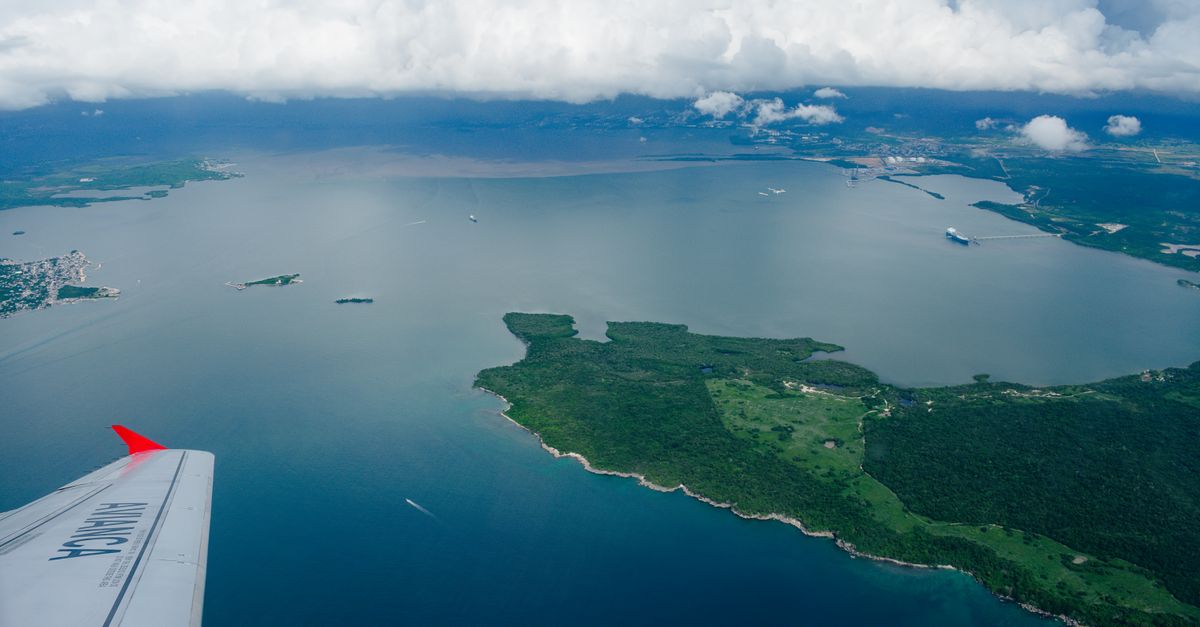
Furthermore, eSIMs eliminate the physical risks associated with traditional SIM cards. There is no tiny plastic card to lose, damage, or struggle to insert into your device. Once activated, the profile resides securely within your phone’s hardware. This is especially beneficial in beach environments where sand and saltwater can damage physical SIM trays. By keeping your phone sealed and using data wirelessly, you reduce the risk of hardware issues. Additionally, setting up an eSIM can be done from the comfort of your home. You do not need to wait in line at an airport kiosk or search for a mobile store in an unfamiliar city. You simply scan a QR code, activate the plan, and you are ready to go. This immediate connectivity ensures that you have access to maps and translation apps the moment you land, which is crucial for navigating new environments efficiently.
Available Plans Compared#
When selecting a data plan for the Caribbean Islands, it is important to match the data allowance and validity period to your specific travel needs. There are four distinct plans available, each offering different amounts of data and varying durations of validity. All four plans provide coverage across the same 26 countries, ensuring consistent connectivity regardless of which islands you visit. The differences lie in the volume of data you can use and how long the plan remains active.

The most economical entry-level option is the 1 GB Caribbean Islands travel eSIM. This plan is valid for 7 days and costs 8. It is suitable for short trips or for travelers who rely heavily on Wi-Fi at hotels and restaurants. If your itinerary involves only a few days in one or two islands, and you primarily use data for essential tasks like checking in online or quick map lookups, this plan may suffice. However, 1 GB is a relatively small amount of data in today’s digital landscape. Streaming video, using navigation apps continuously, or frequent social media usage can deplete this allowance quickly.
For travelers who need a bit more breathing room, the 2 GB Caribbean Islands travel eSIM is a solid mid-range choice. Valid for 15 days, this plan costs 15. The extended validity period makes it ideal for two-week vacations. With 2 GB, you have enough data to use navigation apps daily, send messages, and browse the web without constant anxiety about running out. This plan strikes a balance between cost and utility, offering double the data of the entry-level plan for nearly double the price, but with significantly more time to use it.
The 3 GB Caribbean Islands travel eSIM offers a longer validity period of 30 days for a price of 21. This plan is designed for longer stays or for travelers who want the flexibility of a full month of connectivity. While the data amount is modest compared to the highest tier, the 30-day validity is a significant advantage. If you are traveling slowly, visiting multiple islands over a month, or staying in one location for an extended period, this plan ensures your data does not expire mid-trip. The cost per GB is competitive, making it a practical choice for those who do not need heavy data usage but require long-term coverage.
The largest data option is the 5 GB Caribbean Islands travel eSIM. Like the 3 GB plan, it is valid for 30 days. The price for this plan is 32.5. This plan is best suited for heavy data users who plan to use mobile data for navigation, streaming music or videos, video calls, and extensive browsing. With 5 GB, you have ample room for error and heavier usage patterns. The 30-day validity ensures that you do not need to worry about the plan expiring, even if your travels are spread out over a month. This plan provides the most comprehensive coverage in terms of data volume, making it the most robust option for digital nomads or families traveling together who may share a hotspot.
Best Value: Which Plan Saves You the Most#
Determining the best value requires looking beyond the total price and calculating the cost per gigabyte. This metric reveals the true efficiency of each plan. The 1 GB plan costs 8 for 1 GB, resulting in a cost of 8 per GB. The 2 GB plan costs 15 for 2 GB, which calculates to 7.5 per GB. The 3 GB plan costs 21 for 3 GB, bringing the cost down to 7 per GB. Finally, the 5 GB plan costs 32.5 for 5 GB, which results in a cost of 6.5 per GB.
Based on these calculations, the 5 GB Caribbean Islands travel eSIM valid for 30 days in 26 countries at 32.50 for 5GB ($6.50/GB) offers the best value. It provides the lowest cost per gigabyte among all available options. This makes it the most economical choice for travelers who anticipate using a significant amount of data. Even if you do not use all 5 GB, the lower per-unit cost makes it a financially smarter purchase than the smaller plans, provided you will be in the region for up to 30 days.
However, “best value” is subjective and depends on your actual usage. If you are certain you will only use 1 GB, paying for 5 GB is not value-effective, even if the per-GB cost is lower. In that specific case, the 1 GB plan is the most appropriate choice because it matches your needs exactly. For most travelers, however, the 5 GB plan offers the best combination of high data allowance, long validity, and low per-GB cost. It minimizes the risk of running out of data while maximizing the efficiency of your spending. The 3 GB plan is a close second in terms of value, offering a slightly higher per-GB cost but still providing a full month of validity.
How to Install Your eSIM Before Traveling#
Installing an eSIM is a straightforward process that can be completed before you leave home. The first step is to ensure your device is compatible with eSIM technology. Most modern smartphones, including recent models from Apple, Samsung, and Google, support eSIMs. You can check your device settings to confirm eSIM compatibility. Once you have confirmed compatibility, you can purchase your chosen plan. After purchase, you will receive a QR code via email. This QR code contains the profile information for your eSIM.
To install the eSIM, go to your phone’s settings and navigate to the cellular or mobile network section. Select the option to add a new cellular plan. Your phone will prompt you to scan a QR code. Open the email containing your QR code and use your phone’s camera to scan it. The phone will then download the eSIM profile. You may be asked to name the plan, such as “Caribbean Data,” to distinguish it from your primary line. Once the profile is installed, you need to enable the data roaming option for this specific line. It is crucial to turn on data roaming in your settings, as this allows the eSIM to connect to local networks in the Caribbean Islands.
After installation, you can test the connection. If you are still at home, the eSIM will not work until you arrive in the coverage area. However, you can verify that the profile is installed correctly and that data roaming is enabled. When you arrive in the Caribbean, ensure that your phone is set to use the eSIM for mobile data. You may need to manually select a network if your phone does not automatically connect. Once connected, you will have immediate access to the internet. It is advisable to keep your primary SIM line active for receiving calls and texts if you have a dual-SIM phone, while using the eSIM for data. This setup allows you to maintain your home number for important communications while using local data rates for internet access.
eSIM vs Physical SIM vs Roaming#
Comparing eSIMs to physical SIM cards and traditional roaming highlights the advantages of digital connectivity. Traditional roaming involves using your home carrier’s network abroad. This is often the most expensive option, with fees that can reach tens of dollars per day or high per-GB charges. Roaming plans can also be restrictive, with data caps that are easily exceeded. In contrast, eSIMs offer predictable pricing with no hidden fees. You pay for the data you need, and that is all you pay. There are no surprise charges on your monthly bill.

Physical SIM cards require you to purchase a local card upon arrival. This involves finding a mobile store, which may not be open or available in remote areas. You also need a SIM ejector tool to remove your existing SIM, which can be lost or misplaced. Physical SIMs are also tied to a specific country or carrier, meaning you may need to buy multiple cards if you visit several islands. eSIMs eliminate this hassle by providing multi-country coverage in a single profile. You do not need to swap cards or visit stores. The activation is done remotely, and the coverage is seamless across borders.
Another advantage of eSIMs is the ability to keep your primary line active. With a physical SIM, you often have to remove your home SIM to insert the local one, meaning you miss calls and texts unless you have a dual-SIM phone. With an eSIM, you can use both lines simultaneously. Your home number remains active for calls and texts, while the eSIM handles data. This dual functionality is not possible with a single physical SIM slot. Additionally, eSIMs are more secure. If your phone is lost or stolen, the eSIM cannot be physically removed and used in another device. This adds a layer of security that physical SIMs do not offer.
Tips for Staying Connected in Caribbean Islands#
To maximize your connectivity in the Caribbean Islands, it is important to manage your data usage wisely. Start by downloading offline maps for the areas you plan to visit. This reduces the need for continuous data usage while navigating. You can also download music or podcasts for offline listening, which saves data compared to streaming. When Wi-Fi is available, such as at hotels or cafes, use it for data-intensive tasks like video calls or large file downloads. This preserves your mobile data for essential uses like navigation and messaging.

Monitor your data usage regularly through your phone’s settings. Most smartphones provide a breakdown of data usage by app, allowing you to identify which applications are consuming the most data. If you find that you are using data faster than expected, you can adjust your settings to restrict background data for non-essential apps. This helps ensure that you do not run out of data before your trip ends.
It is also important to be aware of network coverage in different areas. While major cities and tourist hubs generally have good coverage, remote islands or rural areas may have limited connectivity. In such cases, having an eSIM with a larger data allowance, such as the 5 GB plan, provides a buffer for when you are in areas with weaker signals. Additionally, keep your phone’s software up to date to ensure optimal performance with the eSIM network. If you experience connectivity issues, try toggling airplane mode on and off to refresh the network connection.
Finally, consider the validity period of your plan. If your trip extends beyond the validity period, you may need to purchase an additional plan. The 30-day validity of the 3 GB and 5 GB plans covers most long-term trips, but if you are traveling for more than a month, you may need to plan for a second eSIM purchase. By planning ahead and managing your data usage, you can stay connected throughout your Caribbean Islands adventure without unexpected costs or connectivity issues.
📌 Disclaimer
Prices, schedules, tour details, flight routes, visa requirements, and all other information on this page are based on data at the time of writing. Fares, availability, and policies may change. Please verify current details on the official website before booking.
Top Tours & Activities

1 GB Caribbean Islands travel eSIM valid for 7 days in 26 countries
eSIM Plan
From $8

2 GB Caribbean Islands travel eSIM valid for 15 days in 26 countries
eSIM Plan
From $15

3 GB Caribbean Islands travel eSIM valid for 30 days in 26 countries
eSIM Plan
From $21

5 GB Caribbean Islands travel eSIM valid for 30 days in 26 countries
eSIM Plan
From $32