📌 Disclaimer
Prices, schedules, tour details, flight routes, visa requirements, and all other information on this page are based on data at the time of writing. Fares, availability, and policies may change. Please verify current details on the official website before booking.
Why Get an eSIM for Trinidad And Tobago#
Staying connected while traveling through Trinidad and Tobago is essential for navigating unfamiliar streets, checking digital transit schedules, and sharing media with contacts back home. Using an embedded subscriber identity module, commonly known as an eSIM, removes the need to visit a local mobile carrier shop upon arrival or swap out physical plastic chips inside your phone. Travelers can download their mobile profile digitally before leaving home, ensuring data access immediately upon landing at the airport. This digital approach eliminates roaming fees from traditional home carriers, which often charge exorbitant daily rates for international data usage. An eSIM uses local carrier networks directly, providing standard local speeds and reliable coverage without unexpected billing surprises on your next statement. Furthermore, keeping your primary physical SIM card active in your phone allows you to continue receiving important SMS verification codes for banking or email logins while utilizing the secondary digital profile strictly for affordable local data.

Available Plans Compared#
Travelers visiting Trinidad and Tobago have four distinct digital data packages to choose from, depending on their specific duration and usage habits. The smallest option provides 1 GB of data valid for 7 days, priced at $8. For slightly longer trips, the 2 GB plan extends validity to 15 days and costs $15. Travelers requiring connectivity for a full month can choose between a 3 GB package valid for 30 days priced at $21, or a larger 5 GB package valid for 30 days priced at $32.50. When comparing these options by data amount, duration, and price per gigabyte, users can easily match their anticipated web browsing, navigation, and messaging needs to the correct package without paying for unused capacity.

Best Value: Which Plan Saves You the Most#
Examining the cost breakdown across the available options reveals clear pricing differences per gigabyte. The 1 GB plan for 7 days costs $8 per gigabyte. The 2 GB plan for 15 days costs $15 total, which breaks down to $7.50 per gigabyte. The 3 GB plan for 30 days costs $21 total, resulting in $7 per gigabyte. Finally, the best value option is the 5 GB Trinidad and Tobago travel eSIM valid for 30 days at $32.50, which reduces the cost to $6.50 per gigabyte. Choosing this 5 GB package provides the lowest overall cost per gigabyte, making it the most economical choice for users who consume more data over a longer duration.

How to Install Your eSIM Before Traveling#
Installing your digital mobile profile before departure ensures you will have working internet access the moment your plane touches down in Trinidad and Tobago. First, verify that your specific smartphone model is carrier-unlocked and compatible with embedded SIM technology. After purchasing your chosen plan, you will receive a confirmation containing a quick response code, often referred to as a QR code, along with manual installation details. Open the settings menu on your mobile device, navigate to the cellular or mobile data section, and select the option to add a cellular plan or mobile data plan. Use your phone camera to scan the provided QR code, or manually enter the SM-DP+ address and activation code if scanning is not possible. Label the new profile clearly so you can easily distinguish it from your primary home carrier line. Turn off data roaming on your primary SIM card and enable data roaming exclusively on the newly installed travel profile to prevent unintended charges from your home provider. Keep the profile installed and turned off until you arrive at your destination, where you can then enable it for immediate local connectivity.

eSIM vs Physical SIM vs Roaming#
Choosing the right connectivity method for Trinidad and Tobago involves weighing convenience, cost, and hardware limitations. Traditional international roaming through your domestic carrier requires zero setup effort, but it remains the most expensive choice by a wide margin, frequently leading to high bills upon your return. Acquiring a physical local SIM card upon arrival provides local rates, but finding a retail kiosk after a long flight wastes valuable vacation time, and you run the risk of losing your original home country SIM card while it sits in your pocket. An eSIM bridges this gap by offering local network pricing combined with remote, digital delivery. You can purchase and install the profile from your couch at home days before your trip. Because the technology is built directly into modern device hardware, your physical nano-SIM slot remains empty or occupied by your home number, allowing dual-SIM functionality where you receive phone calls on your primary number while consuming affordable data on the travel line.

Tips for Staying Connected in Trinidad And Tobago#
Managing your mobile data usage efficiently ensures your chosen package lasts throughout your trip to Trinidad and Tobago. Start by adjusting your device settings to restrict background data syncing for heavy applications when connected to cellular data. Configure cloud photo backups to occur only when your device connects to a secure Wi-Fi network at your hotel or accommodation rather than uploading large video files over your mobile connection. Download offline map regions for the islands using navigation applications before you step outside, which drastically reduces the amount of real-time data required to find walking or driving directions. Monitor your remaining data balance regularly through your provider’s management interface to avoid running out of high-speed allocation unexpectedly. If you anticipate heavy usage such as video streaming or constant remote work meetings, opt for the larger 5 GB package to ensure you stay connected without interruption.

📌 Disclaimer
Prices, schedules, tour details, flight routes, visa requirements, and all other information on this page are based on data at the time of writing. Fares, availability, and policies may change. Please verify current details on the official website before booking.
Top Tours & Activities
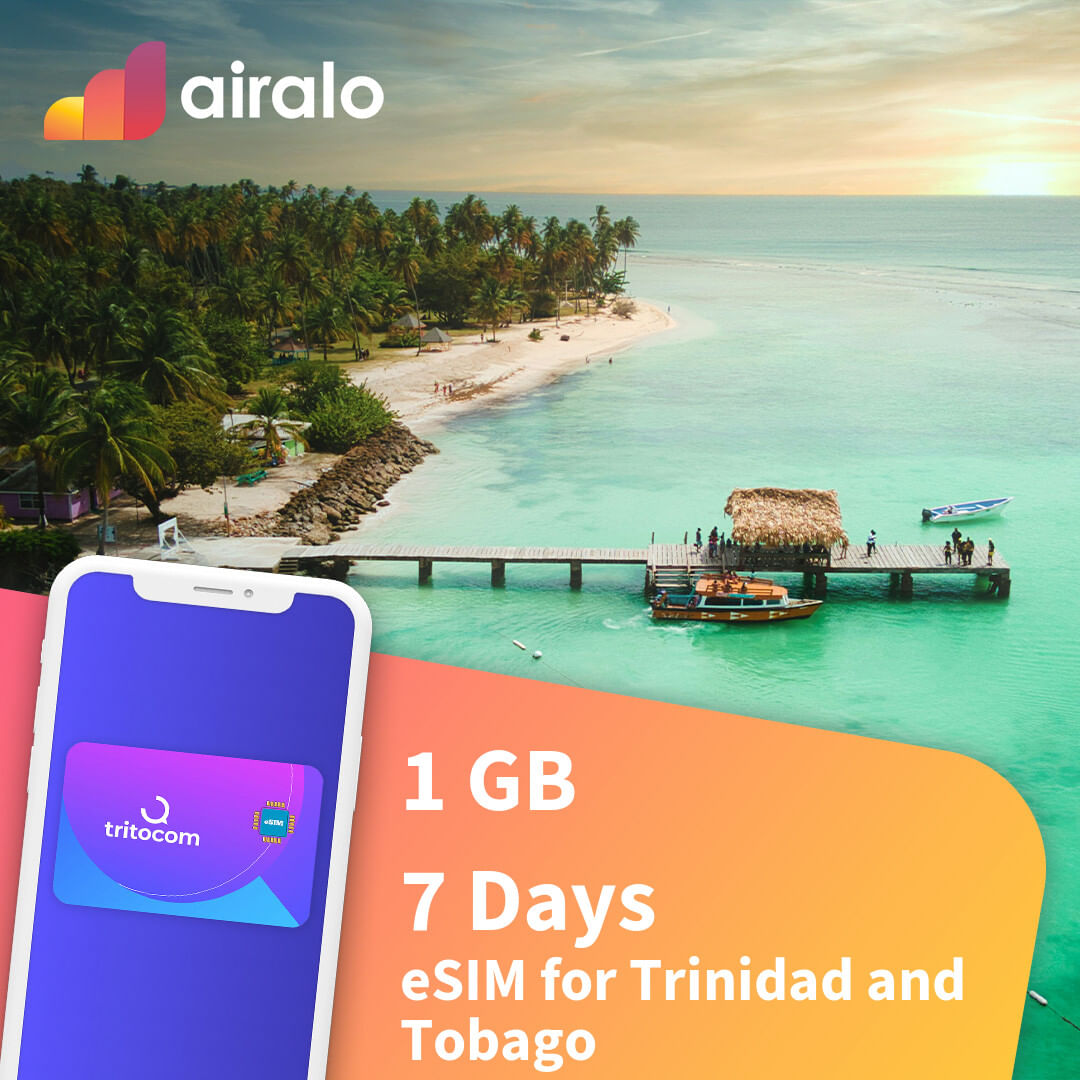
1 GB Trinidad and Tobago travel eSIM valid for 7 days
eSIM Plan
From $8
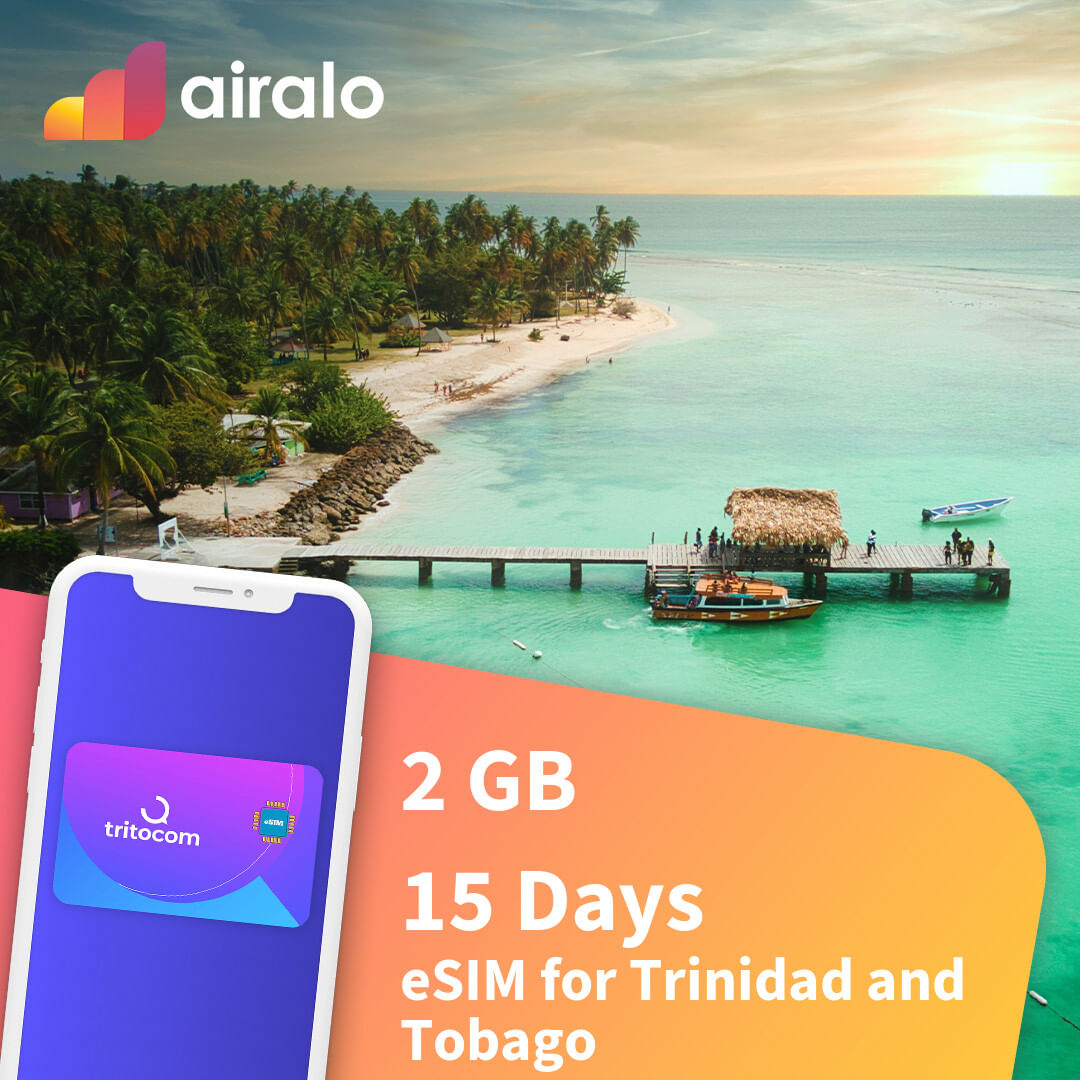
2 GB Trinidad and Tobago travel eSIM valid for 15 days
eSIM Plan
From $15
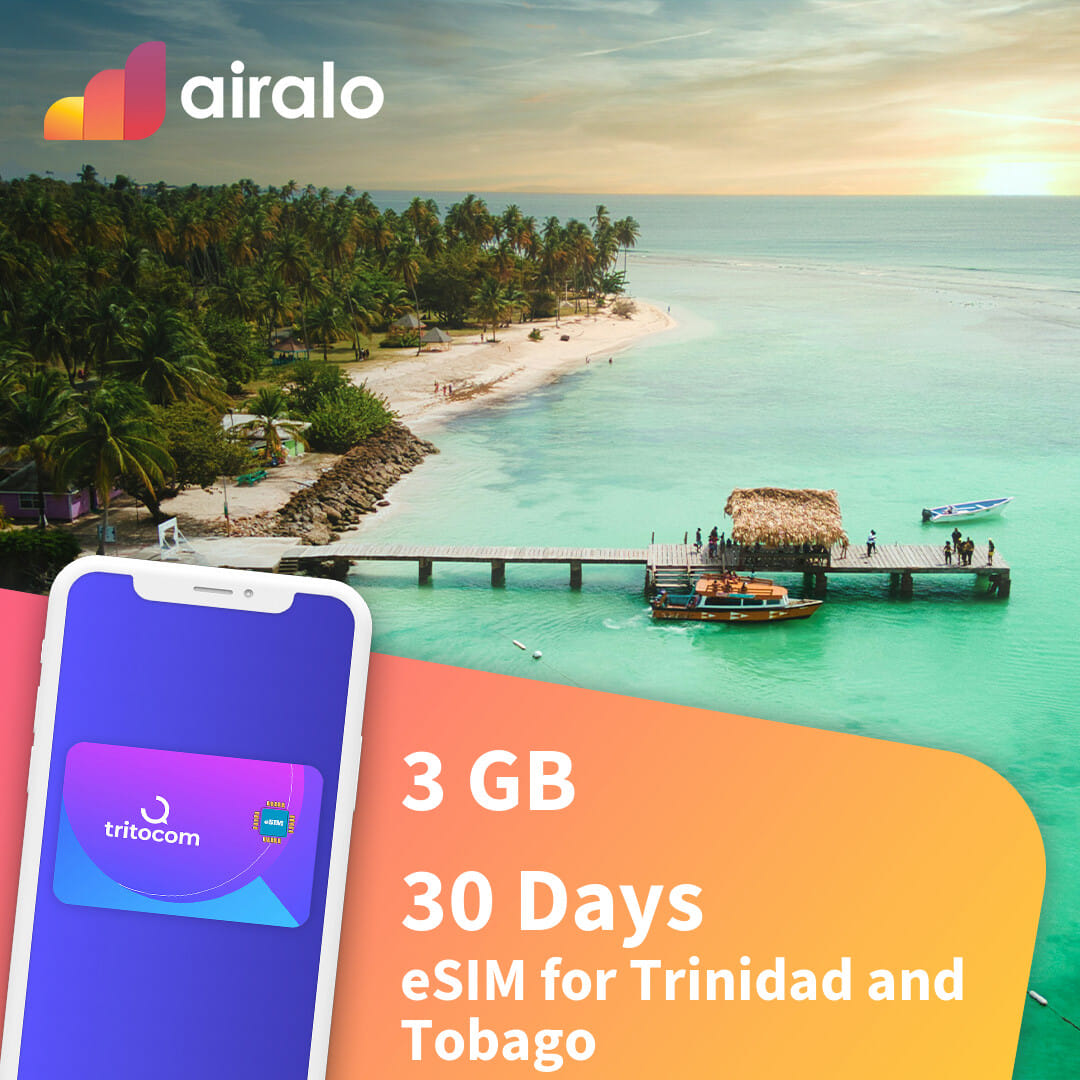
3 GB Trinidad and Tobago travel eSIM valid for 30 days
eSIM Plan
From $21
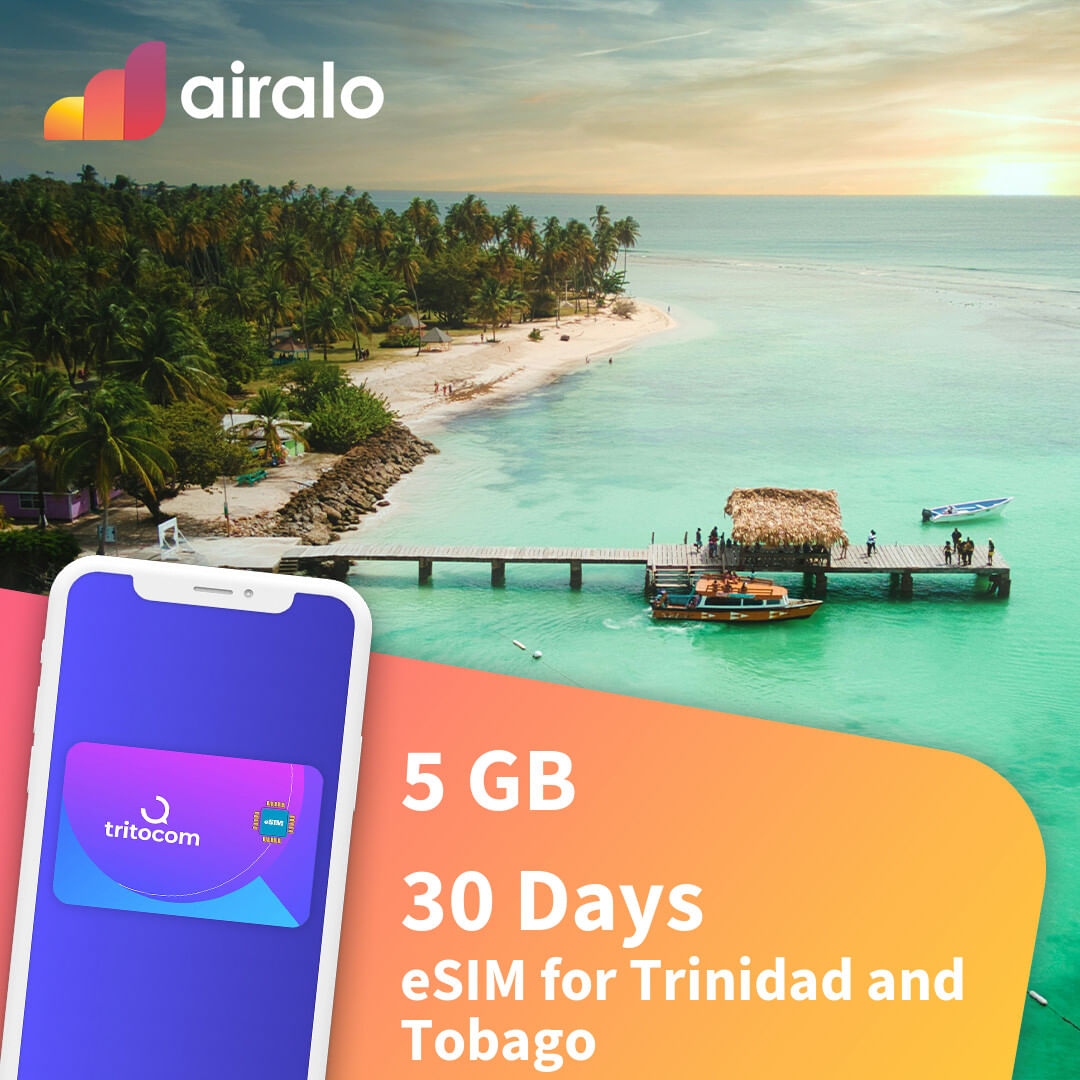
5 GB Trinidad and Tobago travel eSIM valid for 30 days
eSIM Plan
From $32