Why Visit Kyoto?#
Kyoto, the ancient capital of Japan, is a city steeped in history and cultural significance. With over 1,600 temples, stunning gardens, and traditional wooden houses lining its streets, Kyoto offers a glimpse into Japan’s rich past. It’s a place where modernity and tradition coexist harmoniously, making it a unique destination for travelers seeking both historical insight and contemporary experiences. From the tranquil sound of a bamboo grove swaying in the wind to the vibrant colors of cherry blossoms in spring, Kyoto captivates the senses.
What truly makes Kyoto special is its commitment to preserving its heritage. Unlike other cities in Japan that have undergone extensive modernization, Kyoto has maintained its traditional charm. Visitors can wander through the iconic Arashiyama Bamboo Grove, marvel at the intricate architecture of Kinkaku-ji (the Golden Pavilion), or participate in a traditional tea ceremony. Each experience in Kyoto feels like stepping back in time, allowing travelers to connect with Japan’s cultural roots.
Best Time to Visit Kyoto#
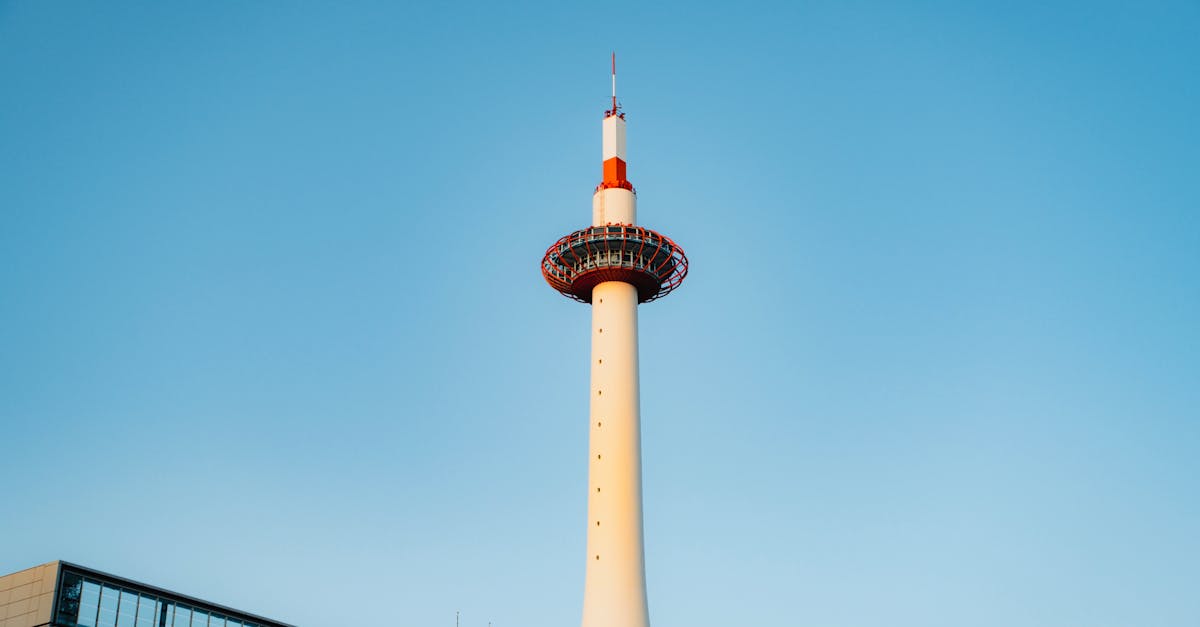
Kyoto experiences four distinct seasons, each offering a unique atmosphere and set of activities.
Spring (March to May): This is arguably the most popular time to visit, especially during cherry blossom season in late March to early April. The weather is mild, with temperatures ranging from the mid-50s to low 70s°F. However, be prepared for crowds, as tourists flock to see the blooming sakura. Prices for accommodation and activities can be higher during this peak season.
Summer (June to August): Summer in Kyoto can be hot and humid, with temperatures often exceeding 80°F. June is the rainy season, but July and August offer vibrant festivals, including the famous Gion Matsuri. While this season is less crowded than spring, it’s important to stay hydrated and wear sunscreen.
Fall (September to November): Fall offers stunning foliage, with vibrant reds and oranges covering the city. The weather is pleasant, making it a great time for outdoor activities. Crowds are moderate, especially during the peak leaf-viewing season in late October to early November, and prices tend to be reasonable.
Winter (December to February): Winter in Kyoto is cold, with temperatures averaging in the 30s to 50s°F. However, the city is less crowded, and visitors can enjoy the serenity of temples dusted with snow. Prices for accommodations drop significantly, making it an ideal time for budget travelers.
Where to Stay in Kyoto#
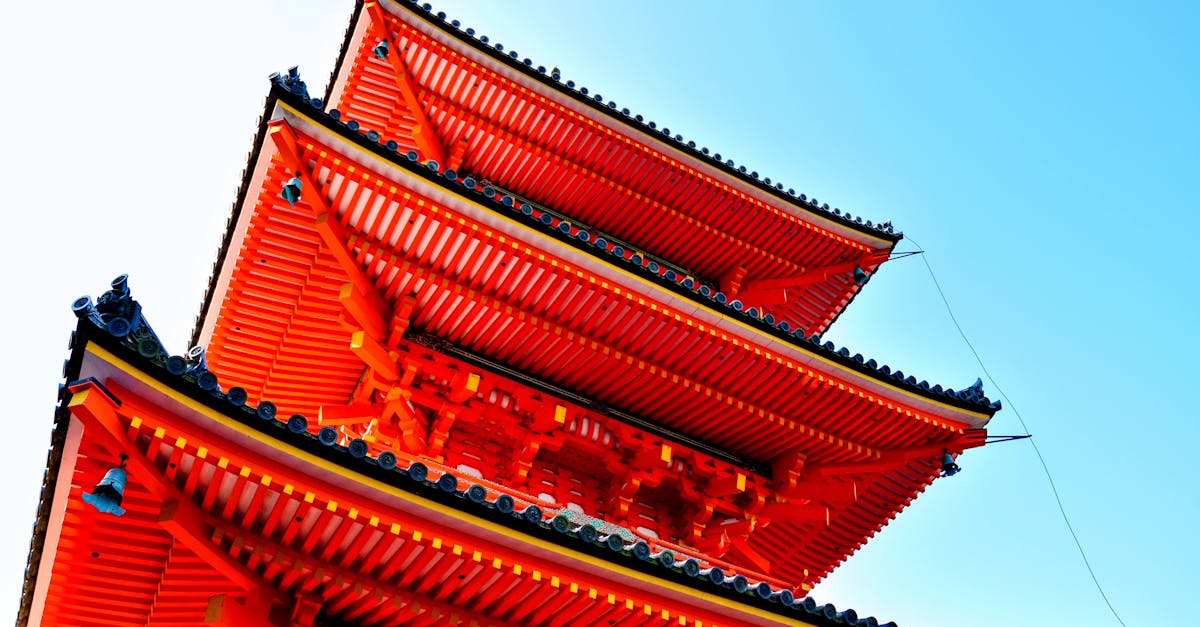
Finding the right neighborhood in Kyoto can enhance your travel experience. Here are some recommendations across different budget tiers:
Budget: The Higashiyama district is a great area for budget travelers. It offers a mix of hostels, guesthouses, and affordable ryokans (traditional inns). Staying here puts you close to many temples and the picturesque streets of Gion.
Mid-Range: For those seeking a comfortable stay without breaking the bank, the Kawaramachi area is ideal. This bustling district has various mid-range hotels and is close to shopping and dining options. Plus, it’s a convenient base for visiting nearby attractions.
Luxury: If you’re looking for a luxurious experience, consider the Northern Kyoto area, which is home to high-end hotels set against beautiful natural backdrops. This area offers serene surroundings and easy access to some of Kyoto’s most famous temples, making it perfect for a tranquil getaway.
Cultural Experience: For a unique stay, consider a traditional ryokan in the Arashiyama area. Here, you can enjoy tatami-matted rooms, kaiseki meals, and beautiful views of the surrounding nature, providing an authentic taste of Japanese hospitality.
Top Things to Do in Kyoto#
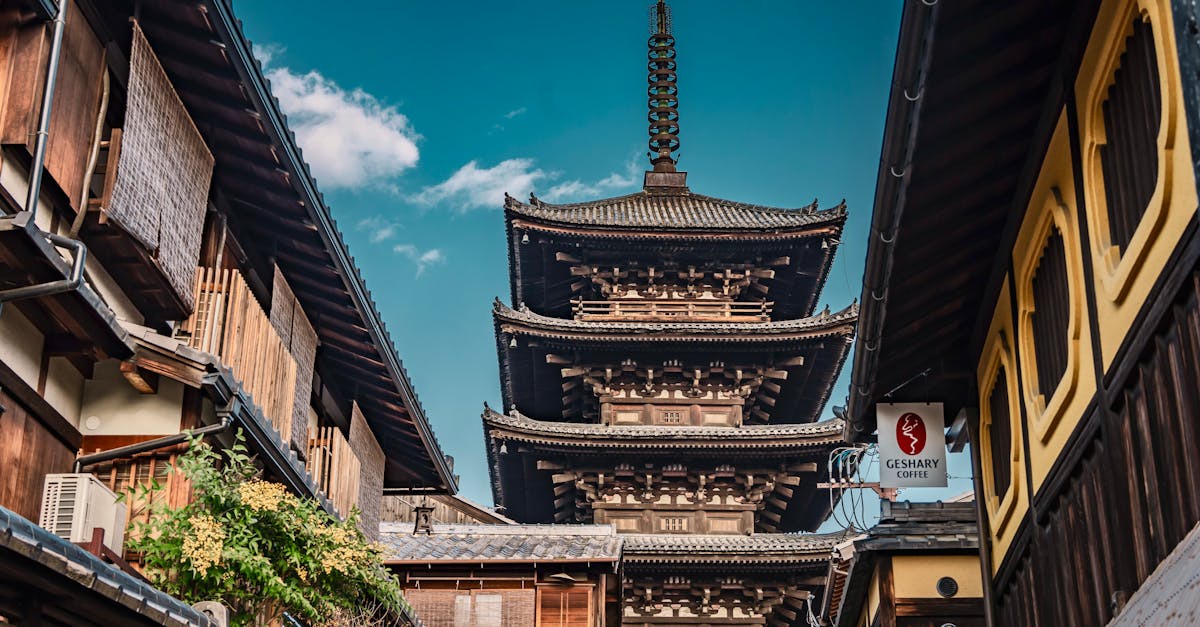
Kyoto is filled with attractions that cater to various interests. Here are some must-visit spots and hidden gems:
Fushimi Inari Taisha: Famous for its thousands of vermillion torii gates, this shrine offers stunning views and numerous hiking trails. Visiting early in the morning helps avoid the crowds.
Kinkaku-ji (Golden Pavilion): This stunning Zen temple, covered in gold leaf, is surrounded by beautiful gardens and reflects beautifully in the pond. It’s a UNESCO World Heritage Site and a must-see.
Arashiyama Bamboo Grove: Walk through towering bamboo stalks that sway gently in the breeze. This serene pathway is perfect for a peaceful stroll and fantastic photo opportunities.
Gion District: Known for its traditional wooden machiya houses, Gion is the perfect place to spot geishas and enjoy a traditional tea ceremony. The atmosphere is particularly enchanting in the evening.
Nijo Castle: This UNESCO World Heritage Site showcases the power of the shogunate with its impressive architecture and beautiful gardens. Don’t miss the “nightingale floors” that chirp when walked upon.
Philosopher’s Path: This picturesque cherry tree-lined canal path is perfect for a leisurely walk. It’s especially beautiful in spring but offers tranquility year-round.
Kiyomizu-dera: A historic temple perched on a hillside, Kiyomizu-dera offers stunning views of the city. The main hall features a wooden stage that juts out over the hillside.
Nanzen-ji Temple: A lesser-known gem, this expansive temple complex features beautiful gardens and a stunning aqueduct. It’s less crowded than other sites and perfect for a quiet afternoon.
Kyoto Imperial Palace: Once the residence of the Emperor of Japan, this palace is set in a large park. While the interior is not always open to the public, the gardens are lovely for a stroll.
Tofuku-ji Temple: Renowned for its beautiful Zen gardens, this temple is particularly stunning in the fall when the leaves change color. It’s a peaceful retreat from the city’s hustle.
Food and Dining Guide#
Kyoto is a culinary delight, offering a mix of traditional and modern Japanese cuisine. Here are some local dishes you must try:
Kaiseki: A traditional multi-course Japanese dinner that emphasizes seasonal ingredients and artistic presentation. This is a unique dining experience that reflects Kyoto’s culinary culture.
Yudofu: A simple yet delicious dish made from tofu simmered in broth. It’s often served with dipping sauces and is a must-try, especially in the colder months.
Matcha: Kyoto is famous for its high-quality green tea. Be sure to try matcha-flavored sweets or visit a tea house for an authentic tea ceremony experience.
Nishiki Market: Known as “Kyoto’s Kitchen,” this market offers a variety of street food options, from pickled vegetables to fresh seafood. It’s a great place to sample local flavors.
Yudofu: A simple yet delicious dish made from tofu simmered in broth. It’s often served with dipping sauces and is a must-try, especially in the colder months.
When dining out, you’ll find a mix of casual eateries and upscale restaurants. Street food is prevalent in areas like Nishiki Market, while restaurants in districts like Gion offer a more formal dining experience.
Top Tours & Activities

Hidden Temples in Kyoto a Self-Guided Zen Tour -67%
Day Trips
From $1

T71D Amazing Views of Amanohashidate & Ine Funaya Bus Tour -55%
Day Trips
From $99

Popular Sushi Making Class in Kyoto【Grand Opening】 -50%
Cooking Classes
From $42

Kyoto & Nara Small Group Day Tour from Kyoto -50%
Day Trips
From $100

Kyoto Japanese Gold Repair Kintsugi Workshop in Arashiyama -40%
Art Classes
From $19
Getting Around Kyoto#
Kyoto has an efficient public transportation system, making it easy to navigate the city.
Public Transit: The city’s extensive bus and subway network is the best way to reach most attractions. Buses are particularly useful for getting to places like Kiyomizu-dera and Arashiyama. A prepaid IC card allows for seamless travel across different transit systems.
Bicycles: Renting a bicycle is a popular way to explore Kyoto, especially along the Philosopher’s Path and the Arashiyama area. Many rental shops offer affordable options.
Walking: Kyoto is a walkable city, especially in areas like Gion and Higashiyama. Strolling through these neighborhoods allows you to soak in the atmosphere and discover hidden gems.
Taxis: While taxis are available, they can be costly. Use them for short distances or when public transit isn’t convenient.
Rental Cars: Renting a car is generally not recommended for city travel due to limited parking and heavy traffic. However, it may be useful for day trips to nearby cities like Nara or Osaka.
Budget Breakdown#
Understanding the costs associated with your trip can help you plan better. Here’s a general daily budget estimate for different traveler types:
Budget Travelers: Expect to spend around $50-80 per day. This includes accommodation in hostels or guesthouses ($30-50/night), meals at local eateries ($10-20), and public transportation ($5-10).
Mid-Range Travelers: A comfortable budget would be around $150-250 per day. This includes mid-range accommodation ($70-150/night), dining at a mix of restaurants ($30-50), and activities or entrance fees ($20-30).
Luxury Travelers: For a more luxurious experience, budget around $400+ per day. This includes upscale accommodation ($200+), fine dining ($100+), and exclusive activities or guided tours ($50+).
These estimates can vary based on personal preferences, so it’s wise to plan accordingly.
Travel Tips for Kyoto#
Cash is King: While many places accept credit cards, smaller shops and markets may not. Always carry cash, especially for street food and smaller attractions.
Tipping: Tipping is not customary in Japan. Exceptional service is expected, and leaving a tip may be seen as rude.
Language: While many Japanese people understand basic English, learning a few key phrases in Japanese can enhance your experience and help you connect with locals.
SIM Cards: Consider purchasing a SIM card or portable Wi-Fi device upon arrival for easy access to maps and translation apps.
Respect the Culture: Always be mindful of local customs, such as removing your shoes when entering someone’s home or certain traditional inns.
Avoid Scams: While Kyoto is generally safe, be cautious of overly friendly strangers asking for money or offering unsolicited help.
Plan Ahead: Certain attractions may require advance reservations or have limited hours. Planning your itinerary can help you avoid disappointment.
Kyoto is truly a destination that offers something for every traveler. Its blend of history, culture, and natural beauty makes it a worthwhile stop on any Japan itinerary. If you’re also considering a trip to Seoul, South Korea, check out our guide for more travel inspiration. Happy travels!
📌 Disclaimer
Prices, schedules, tour details, flight routes, visa requirements, and all other information on this page are based on data at the time of writing. Fares, availability, and policies may change. Please verify current details on the official website before booking.