Why Visit Oaxaca?#
The aroma of roasting chilies wafts through the air, mingling with the sweet scent of freshly baked pan de muerto, a traditional bread often enjoyed during festivities. Oaxaca, a city nestled in the Sierra Madre mountains of southern Mexico, offers an experience that captivates the senses. With its stunning colonial architecture, lively markets, and a deep-rooted sense of tradition, this destination stands out as worth visiting for travelers seeking authenticity. The local artisans craft beautifully intricate textiles and pottery, while the culinary scene showcases dishes that reflect the region’s diverse indigenous cultures.
Oaxaca is not just about what you see; it’s about what you feel. The warmth of the locals, the lively street performances, and the colorful celebrations create an atmosphere that invites exploration and connection. From the ancient ruins of Monte Albán to the busy markets filled with handmade crafts, every corner of Oaxaca tells a story, making it a place where history and modern life intertwine seamlessly. Whether you are wandering through the historic center or enjoying a mezcal tasting, each experience in Oaxaca leaves a lasting impression.
Best Time to Visit Oaxaca#
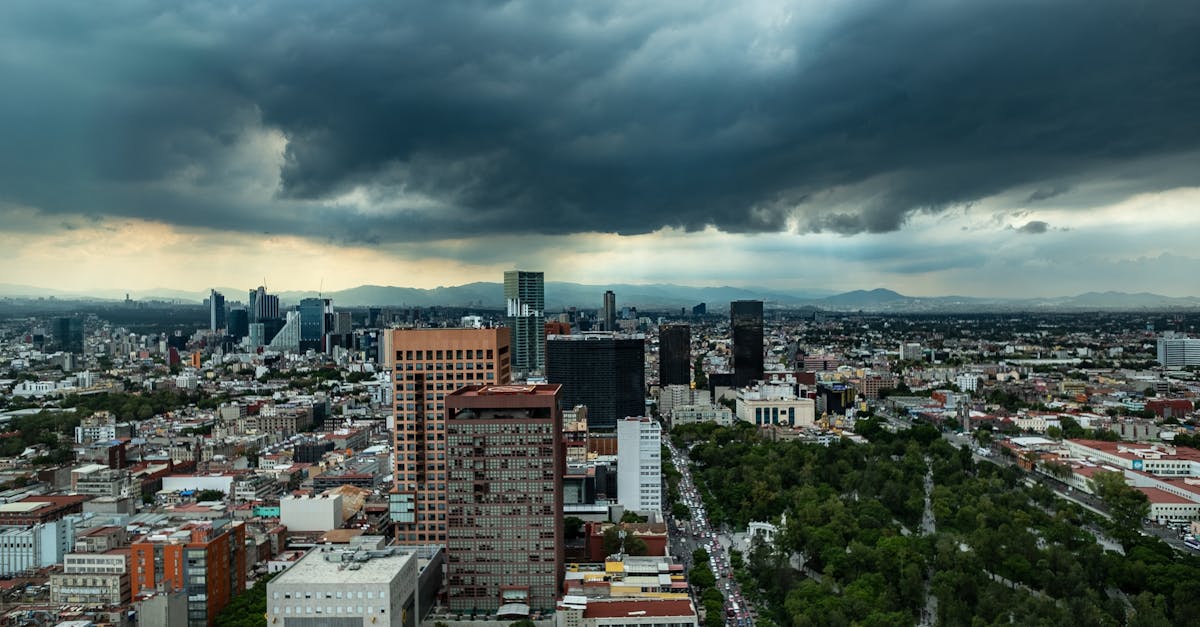
Oaxaca experiences a mild climate year-round, but the best time to visit is typically during the dry season, from late October to April. The weather during these months is pleasantly warm, with daytime temperatures ranging from the mid-70s to low 80s Fahrenheit. This period also coincides with some of the city’s most lively festivals, such as Día de los Muertos in early November, when the streets are adorned with altars and celebrations honoring deceased loved ones.
Traveling during the rainy season, from May to September, can be a different experience. While the downpours usually occur in the afternoon and evenings, they can lead to lush landscapes and fewer tourists. However, if you don’t mind occasional rain, you can find lower accommodation prices and enjoy a quieter atmosphere. The months of July and August can see a slight increase in visitors due to summer vacations, but the city still retains a charming ambiance.
Where to Stay in Oaxaca#
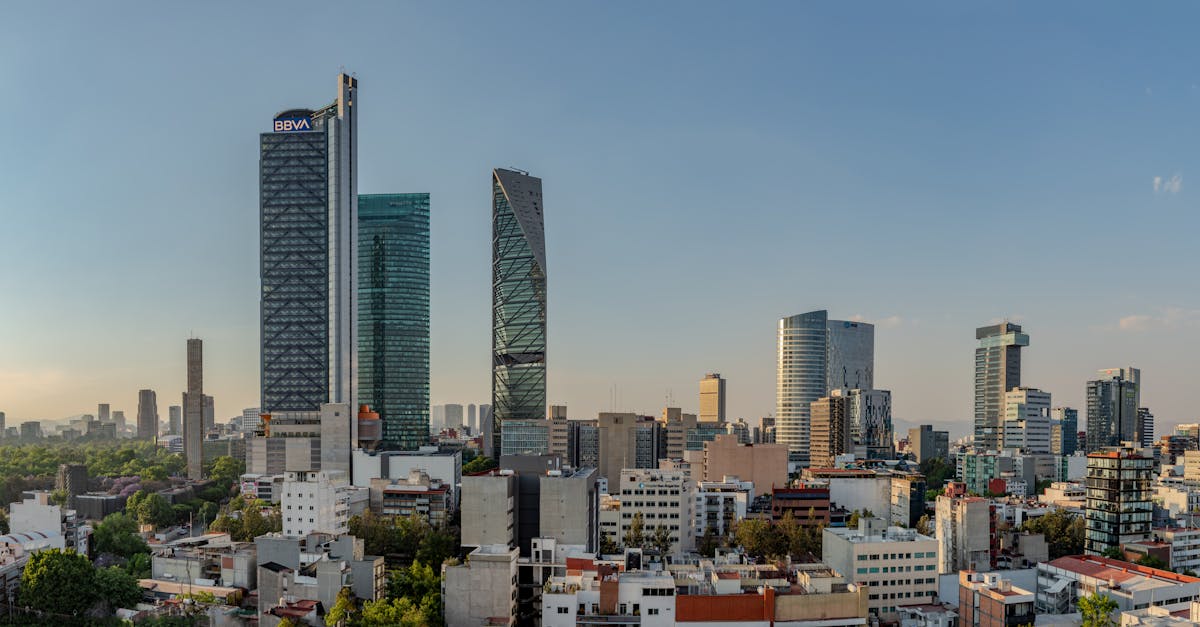
When considering where to stay, the Centro Histórico is an excellent choice for first-time visitors. This area is steeped in history, with colonial buildings, museums, and lively markets all within walking distance. Accommodations range from budget-friendly hostels to charming boutique hotels, making it easy to find something that suits your needs.
For those seeking a more tranquil atmosphere, the Jalatlaco neighborhood offers a picturesque setting with its cobblestone streets and colorful houses. This area features cozy guesthouses and mid-range hotels, allowing you to enjoy a peaceful retreat while still being close to the city’s attractions.
If luxury is what you’re after, consider staying in San Felipe del Agua, just a short drive from the city center. This upscale residential area boasts stunning views of the mountains and offers high-end hotels and resorts. Here, you can enjoy modern amenities while experiencing the natural beauty of Oaxaca.
Lastly, for travelers looking for a local experience, the Xochimilco neighborhood is a fantastic option. This area is less touristy, allowing you to explore in daily Oaxacan life. You’ll find a mix of affordable guesthouses and boutique accommodations, perfect for those who want to explore the local culture.
Top Things to Do in Oaxaca#

As you wander through the streets of Oaxaca, you’ll feel the pull of its many attractions. Begin your exploration at Monte Albán, an impressive archaeological site that dates back to 500 BC. Perched on a mountaintop, it offers panoramic views of the surrounding valleys and showcases ancient Zapotec ruins, including temples and tombs that hint at the city’s storied past.
In the heart of the city, the Santo Domingo Church stands as a stunning example of Baroque architecture. Its ornate interior is adorned with gold leaf and intricate woodwork, making it a must-see for history buffs and architecture enthusiasts alike. Just a short stroll away, the Oaxaca Ethnobotanical Garden presents a unique opportunity to discover the region’s diverse plant life. Guided tours provide insights into the significance of various species, many of which are integral to local traditions.
For a taste of local life, visit the Mercado 20 de Noviembre, where the lively atmosphere and colorful stalls offer a feast for the senses. Here, you can sample local delicacies like tlayudas, a large tortilla topped with beans, cheese, and various meats, or try your hand at bargaining for handmade crafts.
Art lovers should not miss the Museo de Arte Contemporáneo de Oaxaca (MACO), which showcases a variety of contemporary works from Oaxacan and Mexican artists. The exhibitions often change, providing fresh perspectives on the local art scene.
A visit to Oaxaca wouldn’t be complete without exploring the nearby Hierve el Agua, a natural wonder featuring mineral springs that have created stunning rock formations resembling waterfalls. This site is perfect for a day trip, where you can also enjoy a refreshing swim in the natural pools.
For an authentic experience, consider attending a mezcal tasting at one of the local distilleries. This traditional spirit is made from the agave plant and has a distinct flavor that varies by region. Knowledgeable guides will walk you through the tasting process, allowing you to appreciate the nuances of this beloved drink.
The Templo de Santo Domingo is another architectural highlight, with its intricate facade and serene courtyard. Visitors can also explore the adjacent Cultural Center, which hosts rotating exhibitions and events that celebrate Oaxacan culture.
Finally, take a leisurely stroll through the Zócalo, Oaxaca’s main square, where locals gather to enjoy live music, dance, and food. The lively atmosphere and beautiful surroundings make it the perfect spot to relax and soak up the local ambiance.
Food and Dining Guide#
Oaxacan cuisine is a delightful exploration of flavors, with an emphasis on local ingredients and traditional cooking methods. One of the standout dishes is mole, a complex sauce made from a blend of chiles, spices, and chocolate. Each family often has its unique recipe, and sampling different variations can be a culinary adventure.
Street food is a significant part of the local dining scene, with vendors offering an array of tasty options. Be sure to try quesillo, a type of cheese that is often served in tacos, or indulge in memelas, thick tortillas topped with beans, cheese, and salsa. The Mercado 20 de Noviembre is a great place to experience street food culture, where you can enjoy a meal while mingling with locals.
For a sit-down meal, consider trying barbacoa, a slow-cooked meat dish typically served with fresh tortillas and salsas. Many restaurants also offer a variety of vegetarian options, reflecting the region’s agricultural bounty. Pair your meal with a glass of locally produced mezcal for a solid Oaxacan experience.
Don’t miss the opportunity to sample tlayudas, often referred to as Oaxacan pizza. These large, crispy tortillas are topped with a variety of ingredients, including beans, cheese, and meats, making for a satisfying meal. Whether enjoyed from a street vendor or a local restaurant, they are a worth trying.
For dessert, indulge in nieves, a type of sorbet made from fresh fruits and natural flavors. The stalls in the markets often offer a variety of flavors, making it a refreshing treat on a warm day.
Top Tours & Activities

Sustainable Mezcal Tour at an Award Winning Family Distillery -40%
Private and Luxury
From $24

Oaxaca: Monte Alban, Alebrijes, Barro Negro & Cuilapam -40%
Full-day Tours
From $38

Oaxaca: Hierve el Agua, Tule, Mitla & Mezcal Full-Day Tour. -40%
Day Trips
From $41

Monte Albán in the Morning -40%
Archaeology Tours
From $30

Discovering a Historic Quarter of Oaxaca -20%
City Tours
From $23
Getting Around Oaxaca#
Navigating Oaxaca is relatively easy, thanks to its compact layout and walkable streets. Many of the major attractions are within walking distance of the city center, making it simple to explore on foot. Comfortable shoes are a must, as you’ll likely find yourself wandering through cobblestone streets and lively markets.
Public transportation is also available, with local buses and colectivos (shared vans) providing access to various parts of the city and surrounding areas. These options are budget-friendly and can be a fun way to experience local life. Taxis are another convenient option, especially for longer distances or when traveling in a group. It’s advisable to agree on a fare before starting your ride, as most taxis don’t have meters.
For those looking to explore the surrounding areas at their own pace, renting a car can be a good choice. Many rental agencies are located in the city, and having a vehicle allows you to venture out to sites like Hierve el Agua or Monte Albán with ease. Just be mindful of local driving customs and road conditions.
Budget Breakdown#
When planning your trip to Oaxaca, it’s essential to consider your budget. For budget travelers, daily expenses can range from $30 to $60, including accommodations in hostels or guesthouses, street food meals, and public transportation. Mid-range travelers can expect to spend between $60 and $120 daily, allowing for comfortable hotel stays, dining at local restaurants, and entry fees for attractions.
Luxury travelers will find plenty of options, with daily expenses starting around $150 and going up significantly, depending on accommodations and fine dining experiences. High-end hotels often offer additional amenities, such as spa services and guided tours, enhancing your stay in Oaxaca.
Regardless of your budget, it’s possible to enjoy the richness of Oaxaca without overspending. Many attractions are free or have minimal entrance fees, and local markets offer delicious meals at affordable prices.
Travel Tips for Oaxaca#
Language: While many locals in tourist areas speak some English, learning a few basic Spanish phrases can enhance your experience. Simple greetings and common phrases can go a long way in fostering connections with the community.
Safety: Oaxaca is generally considered safe for travelers, but it’s always wise to stay aware of your surroundings. Keep your belongings secure, especially in crowded markets, and avoid displaying valuables in public.
Cultural Etiquette: Respect for local customs is important. When visiting churches or sacred sites, dress modestly and be mindful of photography rules. Engaging with locals in a respectful manner will enrich your experience.
Currency: The Mexican peso is the local currency, and it’s helpful to have cash on hand for markets and smaller establishments. ATMs are widely available, but inform your bank of your travel plans to avoid any issues with card usage.
Transportation: If you plan to use public transportation, familiarize yourself with routes and schedules. Having a map or a translation app can be beneficial when navigating the city.
Weather Preparation: Depending on the time of year, pack accordingly. Layers are advisable, as temperatures can vary throughout the day, especially in the evenings. Don’t forget sunscreen and a hat for daytime excursions.
Culinary Exploration: Be adventurous with your food choices. Oaxaca is known for its diverse cuisine, so try dishes you may not be familiar with. Visiting local markets can provide insight into traditional ingredients and cooking methods.
Oaxaca offers a blend of history, culture, and culinary experiences that leave a lasting impression. By immersing yourself in the local way of life and being open to new experiences, you’ll create memories that will stay with you long after your visit.
📌 Disclaimer
Prices, schedules, tour details, flight routes, visa requirements, and all other information on this page are based on data at the time of writing. Fares, availability, and policies may change. Please verify current details on the official website before booking.