Why Visit Santorini?#
The moment you catch sight of Santorini’s iconic whitewashed buildings clinging to the cliffs above the Aegean Sea, you know you’ve arrived somewhere extraordinary. The contrast of cobalt blue domes against the stark white architecture creates a visual feast that’s hard to forget. This Greek island, born from volcanic activity, offers not just stunning views but also a unique blend of history, culture, and natural beauty that draws visitors from around the world.
Santorini is also renowned for its incredible sunsets, particularly from the town of Oia, where the sun dips below the horizon in a stunning array of colors. Alongside breathtaking landscapes, you’ll find charming villages, ancient ruins, and beautiful beaches, making it a destination that caters to both relaxation and exploration. Whether you’re wandering through narrow streets, sampling local wines, or lounging on the beach, Santorini captivates every sense.
Best Time to Visit Santorini#

For those planning a trip, the ideal time to visit Santorini largely depends on your preferences for weather, crowds, and prices. The peak season runs from June to August, when the island is busy with tourists and the temperatures soar to the mid-80s°F. While this is the prime time for beach activities and lively nightlife, it also means higher accommodation costs and crowded attractions.
The shoulder seasons of late spring (April to June) and early fall (September to October) offer a more pleasant experience. During these months, temperatures hover around the mid-70s°F, and the crowds begin to thin out. Prices for hotels and activities tend to drop, making it a budget-friendly option for travelers looking for a more relaxed pace. Winter (November to March) brings cooler temperatures, averaging in the 50s°F, and many businesses may close for the season. However, this period offers a unique opportunity to explore the island without the usual tourist hustle, albeit with limited services.
Where to Stay in Santorini#
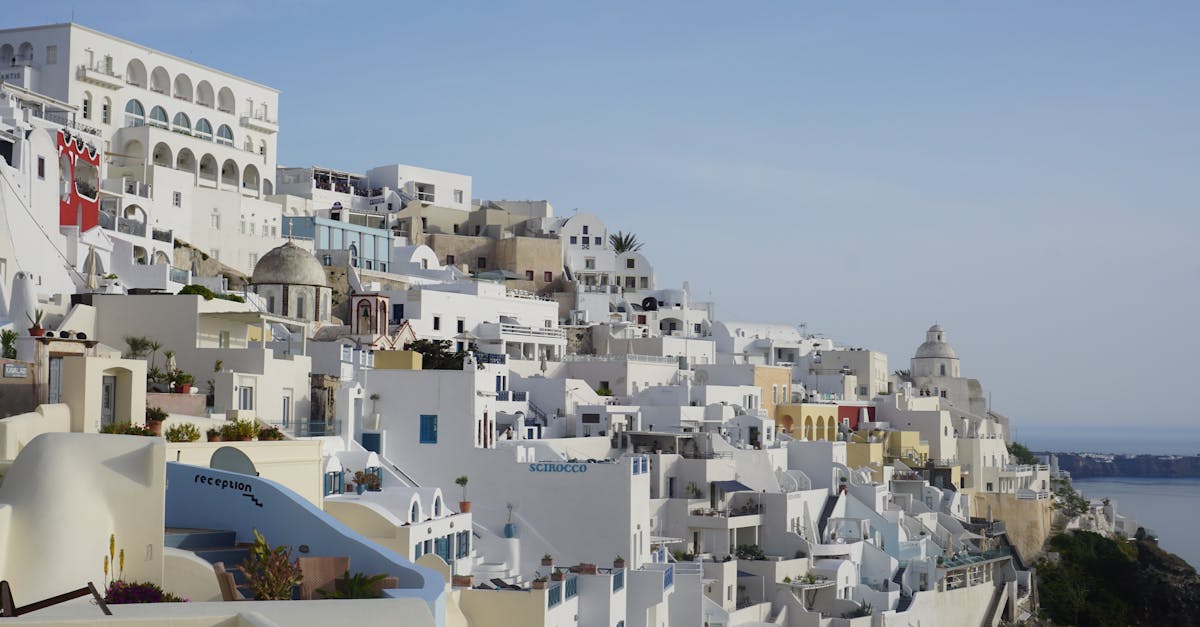
Finding the right place to stay in Santorini can enhance your overall experience. Fira, the island’s capital, is a popular choice for first-time visitors. It’s packed with shops, restaurants, and nightlife options, making it convenient for those who want to be in the thick of things. Budget accommodations are available, with options starting around $30-50 per night, while mid-range hotels offer more comfort and stunning views.
For a quieter experience, consider Oia, famous for its picturesque sunsets and charming streets. Here, you can find a range of accommodations from cozy guesthouses to luxurious villas. While prices can be higher, the breathtaking views are often worth the splurge.
If you’re seeking a more authentic experience, Pyrgos is a lesser-known village that provides a glimpse into traditional island life. This area features budget-friendly options and boutique hotels, perfect for those looking to escape the crowds.
Lastly, Kamari and Perissa are known for their beautiful black sand beaches and a more laid-back atmosphere. These areas cater to families and budget travelers, with a variety of hotels and eateries nearby, making them ideal for beach lovers.
Top Things to Do in Santorini#
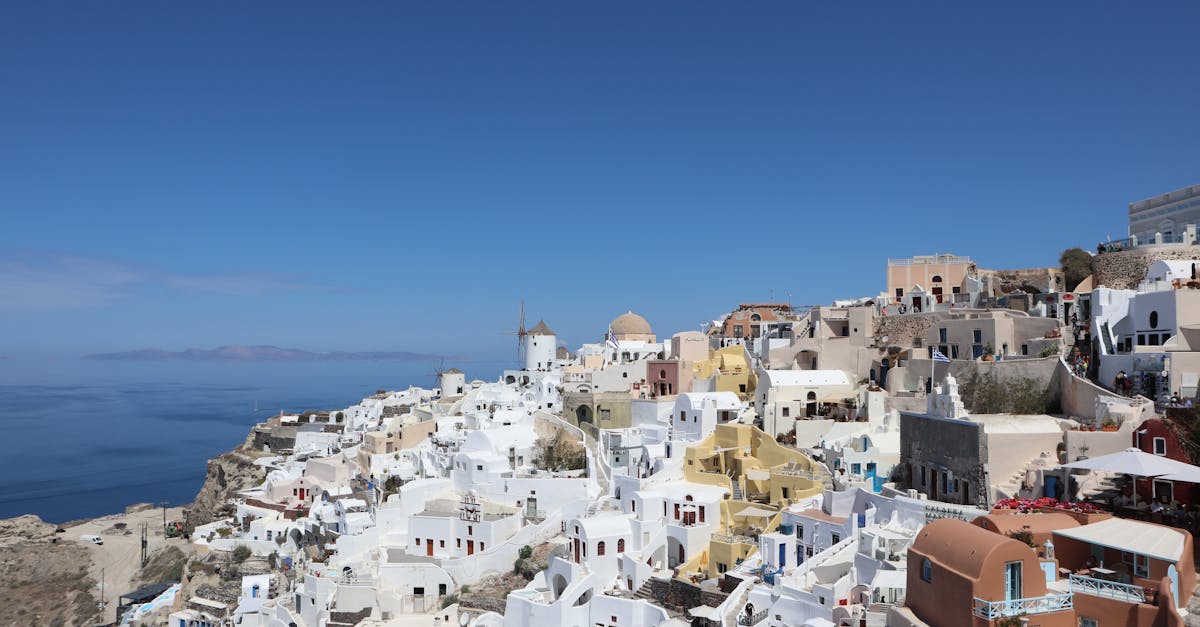
A visit to Santorini wouldn’t be complete without exploring its iconic attractions. Start your adventure at Akrotiri, the ancient Minoan city preserved under volcanic ash, often referred to as the “Pompeii of the Aegean.” Walking through the ruins transports you back in time and provides insight into the island’s rich history.
Afterward, head to Red Beach, known for its striking red cliffs and unique landscape. The beach offers a perfect spot for sunbathing and swimming, with stunning views of the surrounding area. If you crave something more tranquil, Amoudi Bay is a lovely harbor below Oia, ideal for a peaceful swim or a fresh seafood meal.
No trip to Santorini is complete without witnessing the breathtaking sunset from Oia Castle. Arriving early to secure a good spot will reward you with panoramic views as the sun sinks into the Aegean Sea, painting the sky in hues of orange, pink, and purple.
For wine enthusiasts, a visit to the local wineries is a must. The unique volcanic soil of Santorini produces exceptional wines, particularly the indigenous Assyrtiko grape. Many vineyards offer tastings and tours, providing insight into the island’s winemaking traditions.
Another fantastic activity is hiking the trail from Fira to Oia. This scenic path offers stunning vistas of the caldera and the sea, showcasing the island’s natural beauty. It’s about a two-hour trek, so wear comfortable shoes and bring water.
For a taste of Santorini’s artistic side, the Museum of Prehistoric Thera in Fira houses an impressive collection of artifacts from the Akrotiri excavation. This museum provides context to the ancient history of the island and is a great indoor option if the weather turns.
If you’re looking for relaxation, spend a day at one of the island’s stunning beaches, such as Perissa Beach, where you can lounge on sunbeds and enjoy beachside service.
Finally, consider a boat tour around the caldera, which often includes stops at hot springs and the volcanic islands. This experience offers a unique perspective of Santorini’s dramatic cliffs and is a fantastic way to enjoy the sea.
Food and Dining Guide#
Santorini’s culinary scene reflects its rich agricultural heritage and Mediterranean influences. Be sure to try Tomatokeftedes, a popular local dish made from sun-dried tomatoes mixed with herbs and fried into delicious fritters. These are often found in tavernas across the island, perfect as an appetizer or snack.
Another must-try is Fava, a creamy split pea puree often served with olive oil and onions. This dish is a staple of Santorini’s cuisine and showcases the island’s agricultural products. Pair it with some local bread for a delightful treat.
For seafood lovers, Grilled Octopus is a highlight. Freshly caught and prepared simply, it’s often served with a squeeze of lemon, allowing the natural flavors to shine. Enjoy this dish at one of the many seaside tavernas for an authentic experience.
Don’t miss out on the local wines, particularly the Assyrtiko. This crisp white wine pairs beautifully with seafood and is a fantastic way to experience the island’s unique terroir. Many restaurants offer wine pairings, enhancing your dining experience.
Street food is also a great way to sample local flavors. Look for Gyros and Souvlaki, which are popular quick bites. These savory skewers of meat are often served with fresh vegetables and pita, making for a satisfying meal on the go.
Dining in Santorini often comes with a view, especially in Oia, where many restaurants boast terraces overlooking the caldera. Consider making a reservation for sunset dinners to enjoy both the meal and the breathtaking scenery.
Getting Around Santorini#
Navigating Santorini can be straightforward, though it’s helpful to understand your options. Public buses run frequently between major towns and attractions, making it an economical choice for travelers. The bus system is reliable and affordable, with routes connecting Fira, Oia, Kamari, and Perissa.
Taxis are available but can be limited during peak times, so it’s wise to book in advance if you need one. Alternatively, consider renting a car or an ATV for greater flexibility, especially if you want to explore the island’s less accessible areas. Keep in mind that parking can be challenging in popular spots, so plan accordingly.
Walking is another enjoyable way to experience Santorini, particularly in towns like Fira and Oia, where pedestrian-friendly paths lead to stunning viewpoints and local shops. Just be prepared for some steep inclines and cobblestone streets.
Budget Breakdown#
Understanding your budget before traveling to Santorini can help you manage your expenses effectively. For budget travelers, daily costs can range from $60-100, which includes staying in hostels or budget hotels, enjoying street food, using public transport, and visiting free attractions. Mid-range travelers can expect to spend around $150-250 daily, allowing for comfortable accommodations, dining at local restaurants, and participating in some guided tours.
Luxury travelers will find plenty of options, with daily budgets starting from $300 and going up significantly based on accommodation choices, fine dining, and private tours. Santorini offers experiences that cater to all budgets, ensuring that everyone can enjoy its beauty.
Travel Tips for Santorini#
Plan for the Sun: The sun can be intense, especially during the summer months. Bring sunscreen, a hat, and sunglasses to protect yourself while exploring the island.
Book in Advance: If you have specific activities or accommodations in mind, it’s wise to book early, especially during peak season. This ensures you secure your desired options without last-minute stress.
Cash is King: While many places accept credit cards, having cash on hand is beneficial, particularly in smaller establishments or markets. ATMs are available, but it’s a good idea to carry some euros for convenience.
Respect Local Customs: When visiting churches and monasteries, dress modestly. Covering shoulders and knees is often required, so make sure to pack appropriate clothing for these visits.
Stay Hydrated: The heat can be draining, especially if you’re out and about. Carry a refillable water bottle to stay hydrated and reduce plastic waste while enjoying your travels.
If you’re also considering a trip to Reykjavik, Iceland, check out our guide for tips on navigating that unique landscape. Each destination offers its own charm and experiences, ensuring that your travels are filled with excitement and discovery.