Why Visit Seoul?#
Seoul, the vibrant capital of South Korea, is a city where ancient traditions meet cutting-edge modernity. With its rich history, stunning palaces, and bustling markets, Seoul offers an immersive cultural experience that captivates travelers. The city is a hub of innovation, known for its technological advances and trendsetting fashion, making it a fascinating destination for those looking to explore the latest in global culture. Whether you’re wandering through the serene grounds of Gyeongbokgung Palace or shopping in the neon-lit streets of Myeongdong, Seoul is a city that surprises at every turn.
Beyond its iconic landmarks, Seoul is a city of contrasts. You can find traditional hanok villages nestled among towering skyscrapers, and street food stalls serving delicious bites right next to upscale restaurants. The warmth of Korean hospitality is palpable, making visitors feel at home as they navigate this bustling metropolis. For American travelers seeking an adventure that combines history, culture, and modern excitement, Seoul is an unbeatable choice.
Best Time to Visit Seoul#
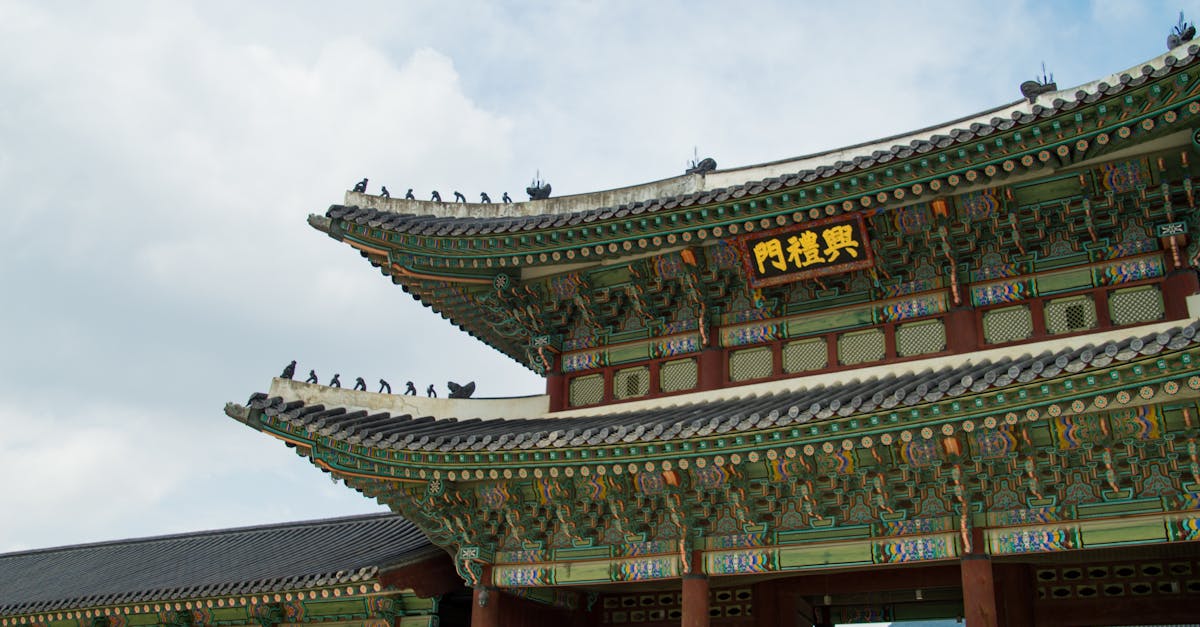
The best time to visit Seoul largely depends on your preferences for weather and crowd levels. Spring (March to May) is one of the most popular seasons, with cherry blossoms blooming and mild temperatures, making it perfect for outdoor exploration. Expect moderate crowds, especially during the cherry blossom festival in early April, and reasonable prices for accommodations.
Summer (June to August) can be hot and humid, with temperatures often exceeding 85°F (29°C). While this season sees larger tourist crowds, it’s also a time filled with vibrant festivals and events. If you don’t mind the heat, you can find better deals on accommodations during this off-peak season.
Autumn (September to November) is another fantastic time to visit. The fall foliage transforms the city into a stunning palette of reds and oranges, and the weather is pleasantly cool. Crowds start to thin out after the summer rush, allowing for a more relaxed experience.
Winter (December to February) can be quite cold, with temperatures dropping below freezing. However, this season offers unique experiences, such as winter festivals and the opportunity to enjoy a cozy bowl of hottteok (sweet rice pancake) while exploring the city. Prices for accommodations tend to be lower during this time, making it a good option for budget travelers.
Where to Stay in Seoul#
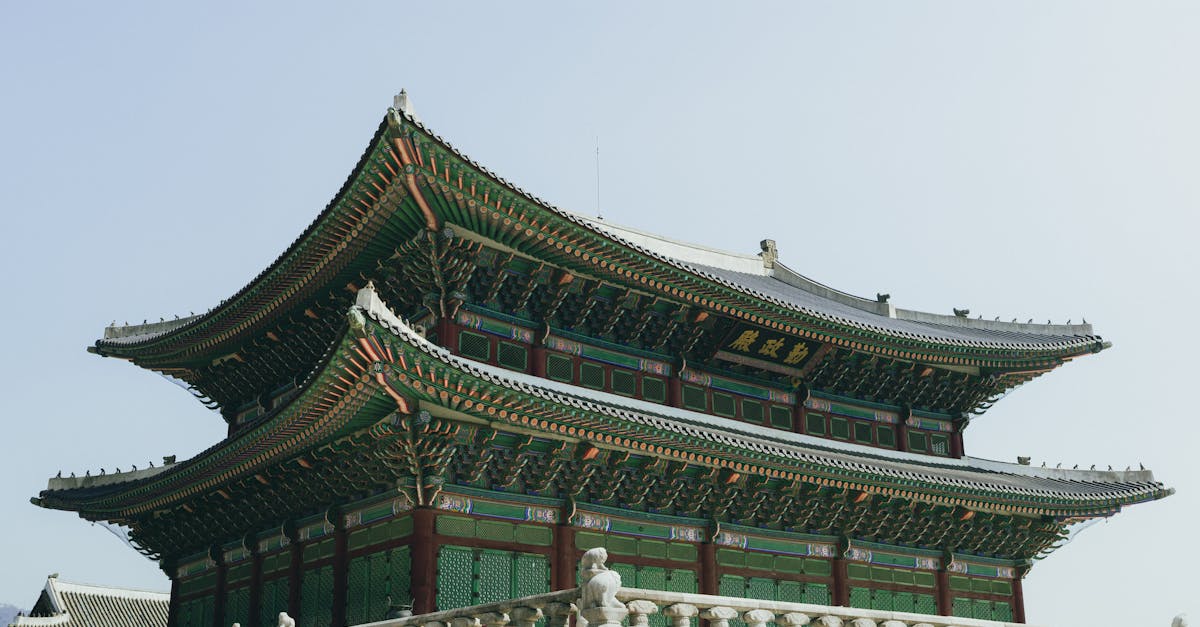
Finding the right neighborhood to stay in can enhance your Seoul experience, especially on a budget. Here are some recommendations across different price tiers:
Budget: Areas like Hongdae and Itaewon are popular among backpackers and budget travelers. Hongdae is known for its youthful vibe, street performances, and proximity to nightlife, while Itaewon offers a diverse range of dining options and a multicultural atmosphere.
Mid-Range: The Myeongdong area is ideal for those looking for convenience and a mix of shopping and dining. It’s centrally located, making it easy to access major attractions. Another great option is Gangnam, famous for its upscale boutiques and trendy cafes, providing a taste of modern Seoul.
Luxury: For those seeking a more upscale experience, the area around the Cheonggyecheon Stream and Gyeongbokgung Palace offers luxurious hotels with stunning views and easy access to cultural sites. The Dongdaemun Design Plaza area also features high-end accommodations and is known for its vibrant night market.
Top Things to Do in Seoul#
Gyeongbokgung Palace: This magnificent palace is a must-visit for its stunning architecture and historical significance. Be sure to catch the changing of the guard ceremony at the main gate.
Bukchon Hanok Village: Nestled between Gyeongbokgung and Changdeokgung palaces, this traditional village features beautifully preserved hanoks (Korean houses) that transport you back in time.
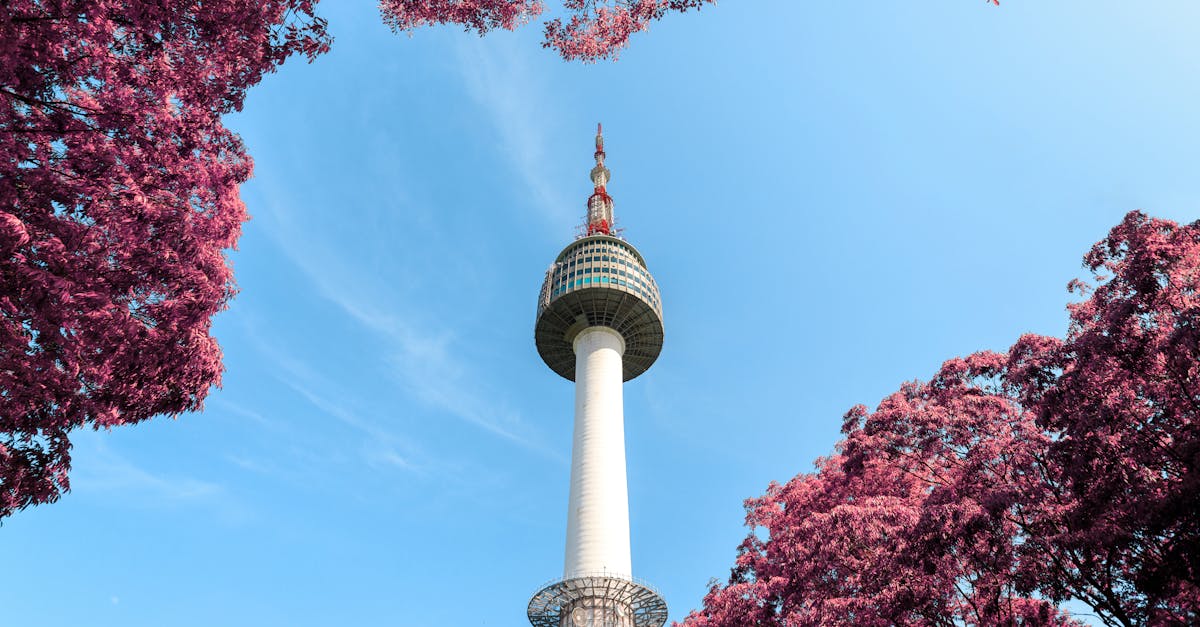
N Seoul Tower: Offering panoramic views of the city, N Seoul Tower is a perfect spot for sunset. You can hike up or take a cable car to reach the top.
Insadong: This artsy neighborhood is a treasure trove of traditional crafts, art galleries, and tea houses. It’s the perfect place to pick up unique souvenirs.
Dongdaemun Design Plaza: Known for its futuristic architecture, this cultural hub hosts exhibitions and events. The surrounding night market is perfect for late-night shopping.
Myeongdong Shopping Street: A bustling shopping district filled with cosmetics, fashion, and street food. Don’t miss out on trying the famous Korean fried chicken and tteokbokki (spicy rice cakes).
Cheonggyecheon Stream: A picturesque urban stream that runs through downtown Seoul. It’s a great spot for a leisurely stroll, especially in the evening when the lights reflect on the water.
Namdaemun Market: One of Korea’s largest traditional markets, Namdaemun offers everything from clothes to local delicacies. It’s a great place to experience local life.
Hangang Park: Spanning along the Han River, this expansive park is perfect for picnics, cycling, or renting a bike. You can also enjoy seasonal festivals and events here.
Seoul Forest: A serene escape from the city buzz, this large park features walking paths, deer, and beautiful gardens. It’s a perfect spot for a peaceful afternoon.
Food and Dining Guide#
Exploring Seoul’s culinary scene is a highlight of any trip. Korean cuisine is rich and diverse, with flavors that range from spicy to savory. Here are some must-try dishes:
Kimchi: A staple in Korean cuisine, this fermented vegetable dish is often made with napa cabbage and a variety of seasonings. It’s served with almost every meal.
Bibimbap: A colorful dish consisting of rice topped with vegetables, meat, a fried egg, and gochujang (Korean chili paste). It’s both nutritious and satisfying.
Korean BBQ: Experience grilling your own meat at the table. Popular choices include beef, pork, and chicken, often served with a variety of dipping sauces and side dishes.
Tteokbokki: Spicy stir-fried rice cakes that are a favorite street food. You can find them at numerous stalls and markets throughout the city.
Banchan: Small side dishes served with meals, usually including pickled vegetables, pancakes, and more. They are a delightful way to sample various flavors.
For street food, head to Myeongdong or Gwangjang Market, where you can find everything from hotteok (sweet pancakes) to kimbap (Korean sushi rolls). If you prefer dining in restaurants, look for local eateries that offer set menus for a full experience without breaking the bank.
Top Tours & Activities

K-Culture Adventure in Seoul Self-Guided Walking Tour -67%
Audio Guides
From $1

Tradition Meets Trendy Seoul: Palace, Ikseondong & Han River Tour -30%
Private and Luxury
From $55

Seoul Palace Morning Tour -27%
Half-day Tours
From $29

Seoul Self Guided Sherlock Holmes Murder Mystery Game -25%
Escape Rooms
From $23

Seoul: Itaewon Premium Pub Crawl with VIP Bottle Service -25%
Nightlife
From $61
Getting Around Seoul#
Seoul boasts an efficient public transportation system that is both affordable and user-friendly. The subway system is extensive, with signs in English, making it easy to navigate. A single ride typically costs between $1-2, depending on the distance. Consider getting a T-money card for seamless travel on subways and buses; it can be purchased at convenience stores.
Buses are another great option, covering areas not accessible by subway. Taxis are widely available and relatively inexpensive, but be aware that fares increase at night. Walking is also a fantastic way to explore neighborhoods, especially areas like Insadong and Bukchon, where you can soak in the local atmosphere.
Renting a car is generally not recommended due to heavy traffic and limited parking, but if you plan to explore the outskirts or nearby attractions, consider it only for day trips.
Budget Breakdown#
Traveling in Seoul can be budget-friendly with some planning. Here’s a rough daily budget estimate for different types of travelers:
Budget Travelers: Expect to spend about $50-70 per day. This includes staying in hostels or guesthouses ($30-50/night), eating at street stalls or local diners ($10-15/day), using public transportation ($5-10), and visiting free or low-cost attractions.
Mid-Range Travelers: A budget of $100-150 per day is reasonable. This can cover mid-range accommodations ($70-100/night), dining at casual restaurants ($20-30/day), transportation ($10-15), and entrance fees for attractions ($20-30).
Luxury Travelers: Those looking for a more upscale experience should budget $250+ per day. This can include luxury hotel stays ($150-300/night), fine dining ($50-100/day), private transport or taxis ($20-30), and premium experiences or tours ($50+).
Travel Tips for Seoul#
Safety: Seoul is generally very safe for travelers. Violent crime is rare, but it’s always wise to keep an eye on your belongings, especially in crowded areas.
Tipping: Tipping is not customary in South Korea. Service charges are usually included in your bill, but rounding up or leaving small change is appreciated in restaurants.
Language: While many Koreans speak some English, learning a few basic Korean phrases can go a long way. Simple greetings and thank you (감사합니다, gamsahamnida) are appreciated.
SIM Cards: Consider purchasing a prepaid SIM card upon arrival for easy access to mobile data. This is particularly helpful for navigation and communication.
Scams to Avoid: Be cautious of overly friendly strangers who may offer unsolicited help or invite you to their establishments. It’s best to stick to official tourist information centers.
Cultural Etiquette: Be mindful of local customs, such as bowing when greeting and removing your shoes when entering someone’s home or certain traditional establishments.
Public Restrooms: Many public restrooms are available, but it’s good to carry tissue or hand sanitizer, as not all places provide toilet paper.
Exploring Seoul doesn’t have to be an expensive endeavor. With careful planning and an adventurous spirit, you can experience the best of this incredible city without breaking the bank. If you’re also considering a trip to Bali, Indonesia or Singapore, Singapore, check out our guide for more budget-friendly tips!
📌 Disclaimer
Prices, schedules, tour details, flight routes, visa requirements, and all other information on this page are based on data at the time of writing. Fares, availability, and policies may change. Please verify current details on the official website before booking.