Photo by Saksham Vikram on Pexels
Why Visit Singapore?#
The scent of freshly cooked satay wafts through the air as you stroll along the busy streets of Singapore, where modern skyscrapers stand shoulder to shoulder with historic temples. This city-state is a captivating blend of tradition and innovation, offering travelers a unique experience that is both culturally enriching and visually stunning. Singapore is known for its cleanliness, safety, and efficient public transportation, making it an ideal destination for first-time visitors looking to explore a dynamic urban landscape.
Beyond its impressive skyline, Singapore is a melting pot of cultures, with Malay, Chinese, Indian, and Peranakan influences shaping its identity. This diversity is reflected in its lively neighborhoods, each offering distinct experiences, from the colorful streets of Little India to the serene beauty of the Botanic Gardens. Whether you’re a history buff, a foodie, or simply looking to relax in a beautiful environment, Singapore has something for everyone.
Best Time to Visit Singapore#
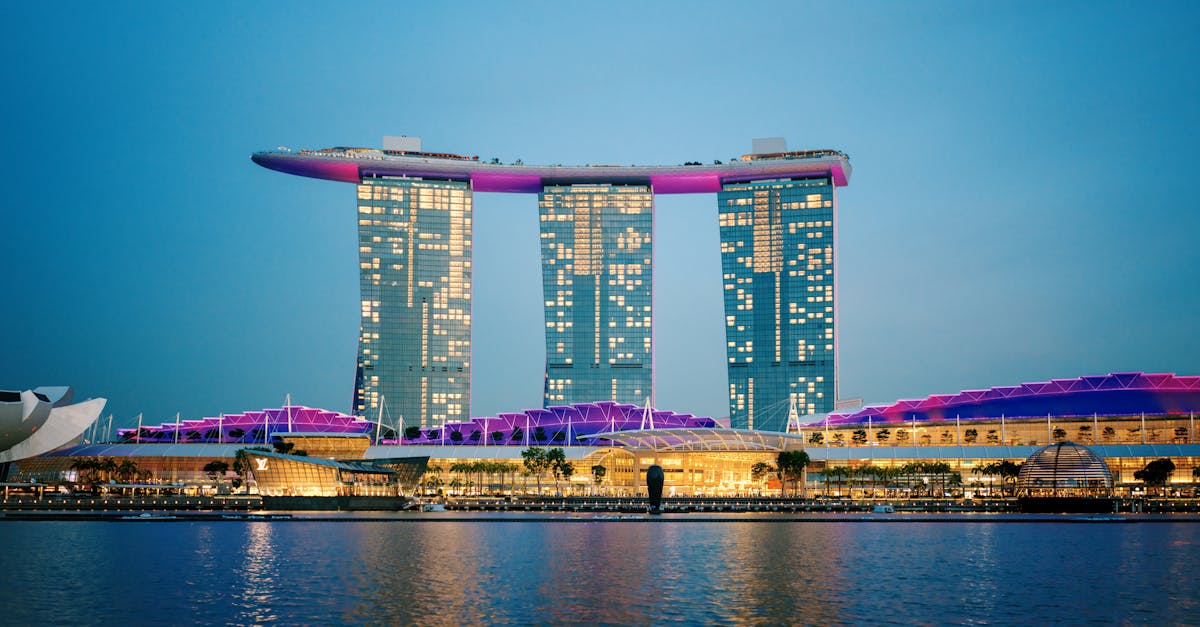
Singapore’s tropical climate means that it experiences warm temperatures and high humidity year-round. The average temperature hovers around 80°F, making it a destination that can be visited at any time. However, if you’re looking to avoid the heaviest crowds and enjoy more favorable weather conditions, consider visiting between February and April. During these months, you can expect slightly less humidity and fewer tourists, allowing for a more relaxed exploration of the city.
The monsoon season, which typically runs from November to January, brings heavier rainfall and can lead to occasional flooding in certain areas. While this might deter some travelers, it also means lower prices for accommodations and attractions. If you don’t mind a bit of rain, this can be a great time to visit. Overall, Singapore has a welcoming atmosphere regardless of the season, and with the right planning, you can enjoy your stay no matter when you arrive.
Where to Stay in Singapore#
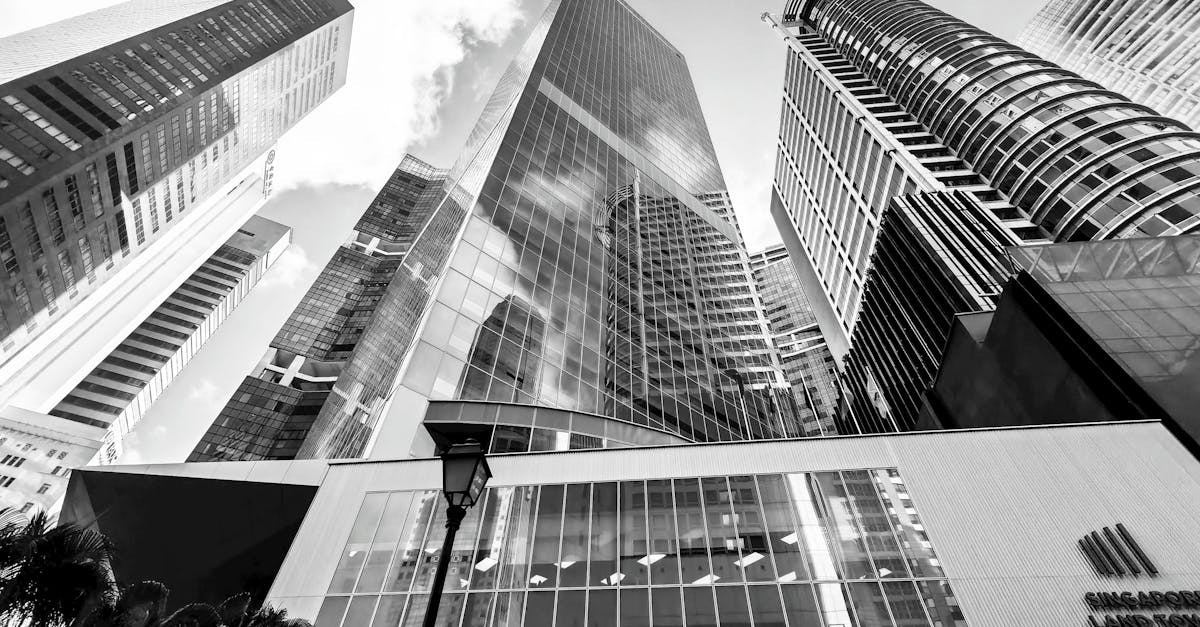
When it comes to accommodations, Singapore offers a variety of neighborhoods to suit different budgets and preferences. For budget travelers, Little India is a fantastic option. This area is filled with affordable hostels and guesthouses, and you’ll be surrounded by colorful markets and delicious food stalls. If you’re seeking a mid-range experience, consider Chinatown, where boutique hotels blend seamlessly with historic architecture. Staying here provides easy access to cultural sites and a lively dining scene.
For those looking for luxury, the Marina Bay area is a prime choice. Here, you can find upscale hotels with stunning views of the iconic skyline and the Marina Bay Sands. The area is also home to high-end shopping and dining options. Alternatively, the Orchard Road district is renowned for its shopping malls and offers a range of luxury accommodations, making it a great choice for travelers who want to indulge in retail therapy while enjoying top-notch amenities.
Top Things to Do in Singapore#
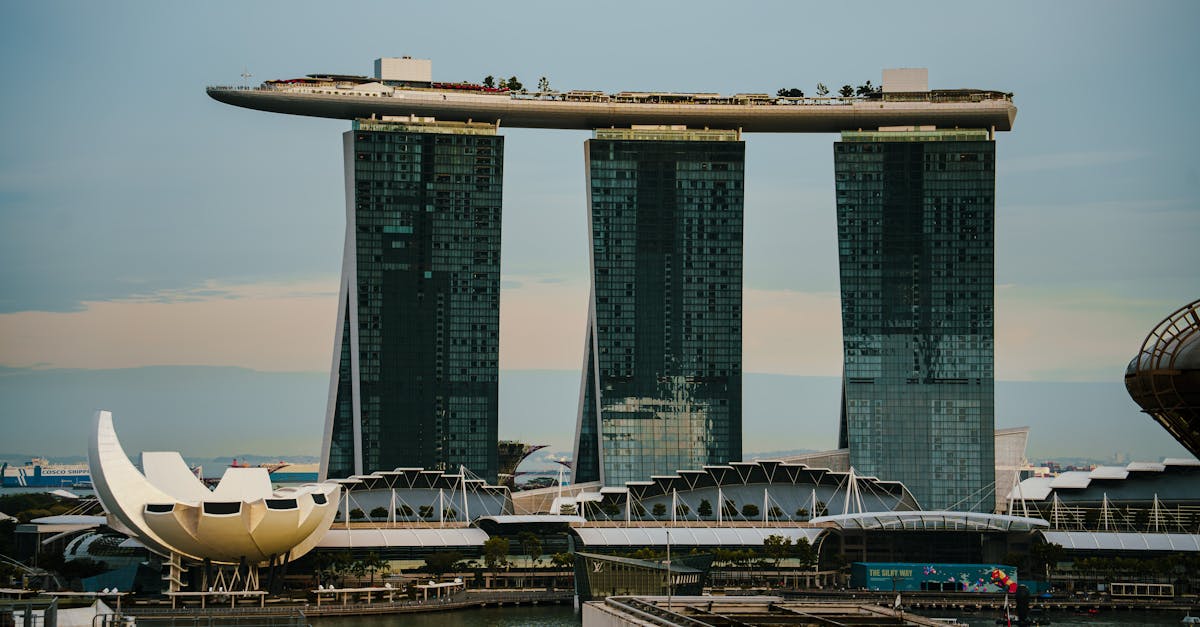
A visit to Singapore wouldn’t be complete without exploring the Marina Bay Sands. This architectural marvel features a rooftop observation deck that offers panoramic views of the city. You can also catch the nightly light and water show, a spectacle that beautifully illuminates the bay. Just a short walk away lies the Gardens by the Bay, a breathtaking park that showcases the iconic Supertree Grove and the stunning Flower Dome, where you can wander among exotic plants from around the globe.
For a more traditional experience, head to Chinatown. Here, you can visit the historic Buddha Tooth Relic Temple, which houses a sacred relic of the Buddha. The area is also dotted with shops selling everything from herbal medicines to souvenirs. Just a stone’s throw away is the Sri Mariamman Temple, the oldest Hindu temple in Singapore, adorned with intricate sculptures and lively colors.
If you’re a nature enthusiast, don’t miss the Singapore Botanic Gardens, a UNESCO World Heritage site. This lush oasis offers a peaceful retreat from the city’s hustle and bustle, complete with a stunning orchid garden that showcases thousands of species. For those interested in wildlife, the Singapore Zoo and the Night Safari are both must-visit attractions, providing a unique opportunity to see animals in naturalistic habitats.
For a taste of local life, consider a visit to Tiong Bahru, one of Singapore’s oldest neighborhoods. Here, you can explore charming art deco buildings, independent bookstores, and trendy cafes. The Tiong Bahru Market is perfect for sampling local dishes like chwee kueh and nasi lemak.
Lastly, take a stroll along Clarke Quay, where the riverside comes alive with restaurants, bars, and nightclubs. This area is perfect for an evening out, where you can enjoy the lively nightlife and beautiful views of the Singapore River.
Food and Dining Guide#
Singapore’s culinary scene is a highlight of any visit, offering an array of flavors that reflect its multicultural population. Start your food journey with Hainanese Chicken Rice, a dish that is often regarded as the national dish. Tender chicken served with fragrant rice and a side of chili sauce is a must-try. For a hearty meal, sample Laksa, a spicy noodle soup that combines Chinese and Malay influences, featuring thick rice noodles, coconut milk, and prawns or chicken.
Street food is a significant part of Singapore’s dining culture, and the Hawker Centres are where you can experience it at its best. Here, you can find a variety of dishes, from Char Kway Teow, a stir-fried flat noodle dish, to Roti Prata, a flaky Indian-influenced flatbread often served with curry. The Maxwell Food Centre in Chinatown is particularly famous and offers a wide selection of authentic local fare.
If you prefer a sit-down meal, explore the array of restaurants in Little India, where you can enjoy Fish Head Curry or Biryani. These dishes reflect the rich culinary traditions of the Indian community in Singapore. For dessert, don’t miss the chance to try Chendol, a refreshing treat made with shaved ice, coconut milk, and green rice flour jelly, perfect for cooling off in the tropical heat.
Dining in Singapore can cater to all budgets, from affordable hawker stalls to upscale restaurants. The variety ensures that every meal is an opportunity to savor the city’s diverse flavors.
Getting Around Singapore#
Navigating Singapore is straightforward and convenient, thanks to its efficient public transportation system. The Mass Rapid Transit (MRT) is the backbone of the city’s transit network, connecting major attractions and neighborhoods. The trains are clean, safe, and operate frequently, making it easy to travel without a car. You can purchase an EZ-Link card, which allows for seamless travel on both the MRT and buses.
Taxis are also readily available and relatively affordable compared to other major cities, though they can be subject to surcharges during peak hours. For those who prefer to explore on foot, many areas, such as Marina Bay and Orchard Road, are pedestrian-friendly and offer well-maintained walkways. Biking is another popular option, with numerous bike-sharing services available throughout the city.
While renting a car is possible, it’s generally not necessary due to the efficiency of public transport and the high costs associated with parking. For a more local experience, consider using ride-sharing apps that are widely used in Singapore.
Budget Breakdown#
Understanding your budget is crucial when planning a trip to Singapore. For budget travelers, daily expenses can start around $50-70. This includes staying in hostels or budget hotels, enjoying street food, and using public transportation. Mid-range travelers can expect to spend about $150-250 per day, which allows for comfortable accommodations in boutique hotels, dining at nice restaurants, and visiting various attractions.
Luxury travelers will find plenty of options, with daily budgets ranging from $300 and up. This range accommodates high-end hotels, fine dining experiences, and private tours or experiences. Regardless of your budget, Singapore offers a variety of options to make your trip enjoyable without breaking the bank.
Travel Tips for Singapore#
Currency and Payments: The local currency is the Singapore Dollar. Credit cards are widely accepted, but it’s advisable to carry some cash for hawker centers and small shops. ATMs are readily available throughout the city.
Language: English is one of Singapore’s official languages and is commonly spoken, making communication easy for American travelers. However, you may also hear Mandarin, Malay, and Tamil, reflecting the country’s multicultural makeup.
Dress Code: Singapore has a tropical climate, so lightweight and breathable clothing is recommended. When visiting religious sites, be mindful of the dress code, which often requires modest attire.
Tipping: Tipping is not customary in Singapore, as service charges are typically included in restaurant bills. However, rounding up the bill or leaving small change for exceptional service is appreciated.
Cultural Etiquette: Respect for local customs is important. When greeting, a simple handshake is common, but be mindful of local traditions, especially in more traditional neighborhoods.
Emergency Services: Singapore is known for its safety, but it’s always wise to be aware of emergency numbers. For police assistance, dial 999, and for medical emergencies, call 995.
With its unique blend of cultures, stunning attractions, and delicious food, Singapore offers a remarkable experience for first-time visitors. Whether you’re wandering through its lively neighborhoods or savoring its diverse cuisine, the city promises to leave a lasting impression. If you’re also considering a trip to PROTECTED_NAME_0 or PROTECTED_NAME_1, don’t forget to check out our guides for more travel inspiration.