Photo by Efrem Efre on Pexels
Why Visit Valletta?#
As you stroll through the sun-drenched streets of Valletta, the scent of saltwater mingles with the aroma of freshly baked bread wafting from nearby bakeries. This ancient city, perched on the edge of the Mediterranean, offers a unique blend of history, architecture, and culture that captivates travelers from all walks of life. Valletta, a UNESCO World Heritage Site, is a living museum where every corner reveals a story, from its majestic fortifications to its stunning Baroque churches.
The city’s compact size makes it incredibly walkable, allowing visitors to explore its narrow alleys and hidden courtyards at a leisurely pace. The striking contrast of golden stone against the blue sea creates a picturesque backdrop for discovering its rich past and lively present. Valletta is not just about historical landmarks; it’s also a hub for art, music, and local festivals, making it a destination that resonates with both history enthusiasts and contemporary culture lovers alike.
Best Time to Visit Valletta#
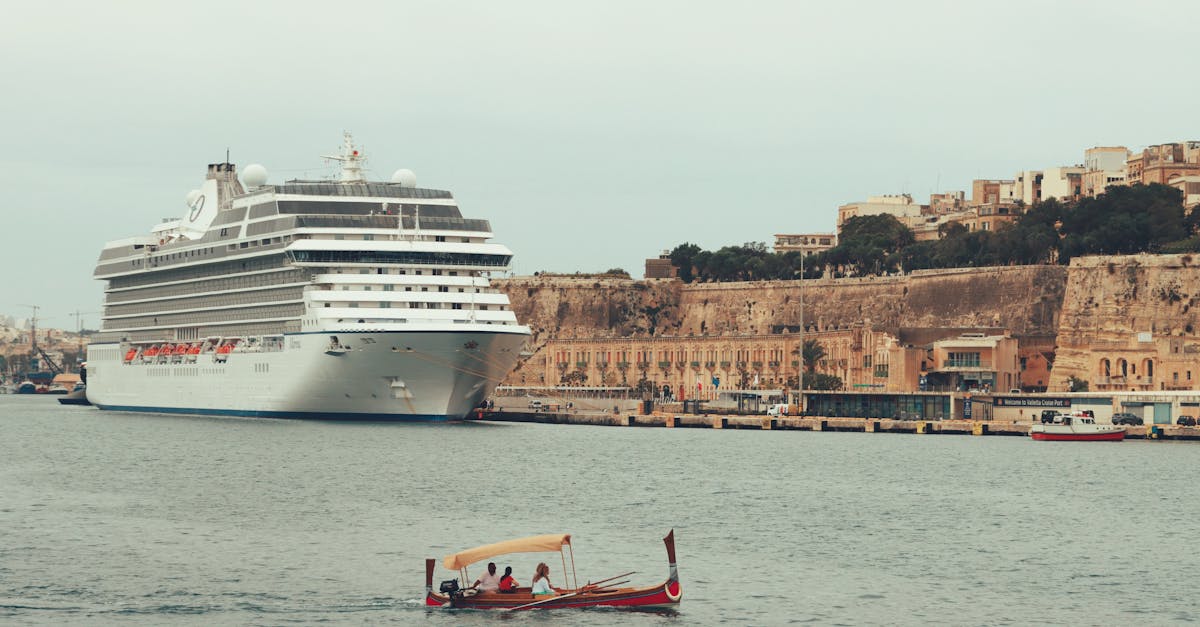
When planning your trip to Valletta, timing can significantly enhance your experience. The spring months of March to May are particularly appealing, as the weather is mild and pleasant, with temperatures averaging between the mid-60s and low 70s Fahrenheit. This period also sees fewer tourists, allowing for a more intimate exploration of the city’s attractions.
Summer, from June to August, brings warmer temperatures, often reaching the high 80s and low 90s, making it the peak tourist season. While the city buzzes with energy, be prepared for larger crowds and higher prices, especially for accommodations and dining. If you enjoy the beach, this is an excellent time to soak up the sun at nearby shores.
The fall months of September to November are another ideal time, as the weather remains warm but gradually cools down, making it perfect for sightseeing. Prices for accommodations often drop after the summer rush, and you can enjoy the local festivals that take place during this season. Winter, particularly December to February, is the least crowded, with temperatures ranging from the mid-50s to low 60s. While some attractions may have reduced hours, this time offers a unique charm, allowing for a quieter exploration of Valletta’s treasures.
Where to Stay in Valletta#
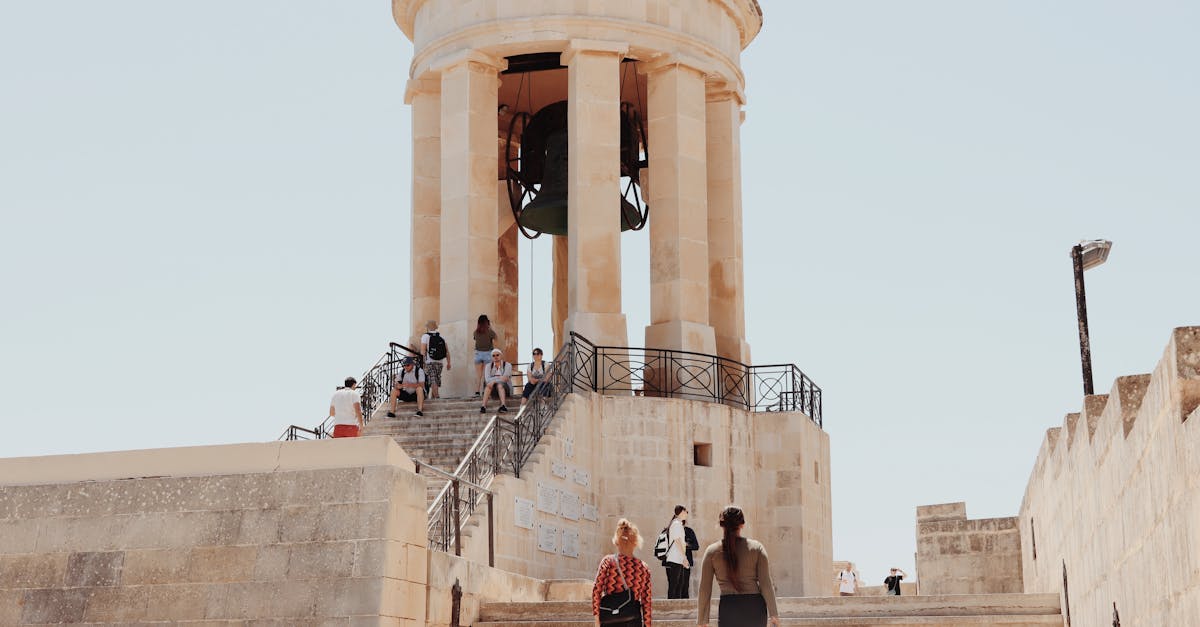
Valletta offers a range of accommodations to suit every traveler’s budget. For those seeking affordable options, the Floriana neighborhood provides budget hotels and hostels that typically start around $30-50 per night. This area is just a short walk from the city center and offers a more local experience.
If you’re looking for mid-range options, the Marsamxett Harbor area is an excellent choice. Here, you will find boutique hotels and charming guesthouses that offer comfort without breaking the bank. Expect to pay around $100-150 per night for a pleasant stay with convenient access to attractions.
For travelers seeking luxury, consider the Valletta Waterfront. This upscale area features high-end hotels with stunning views of the harbor. Prices in this category generally start at $200 per night and can go higher, depending on the amenities offered. Staying here not only provides comfort but also places you in the heart of the city’s dining and entertainment scene.
Top Things to Do in Valletta#
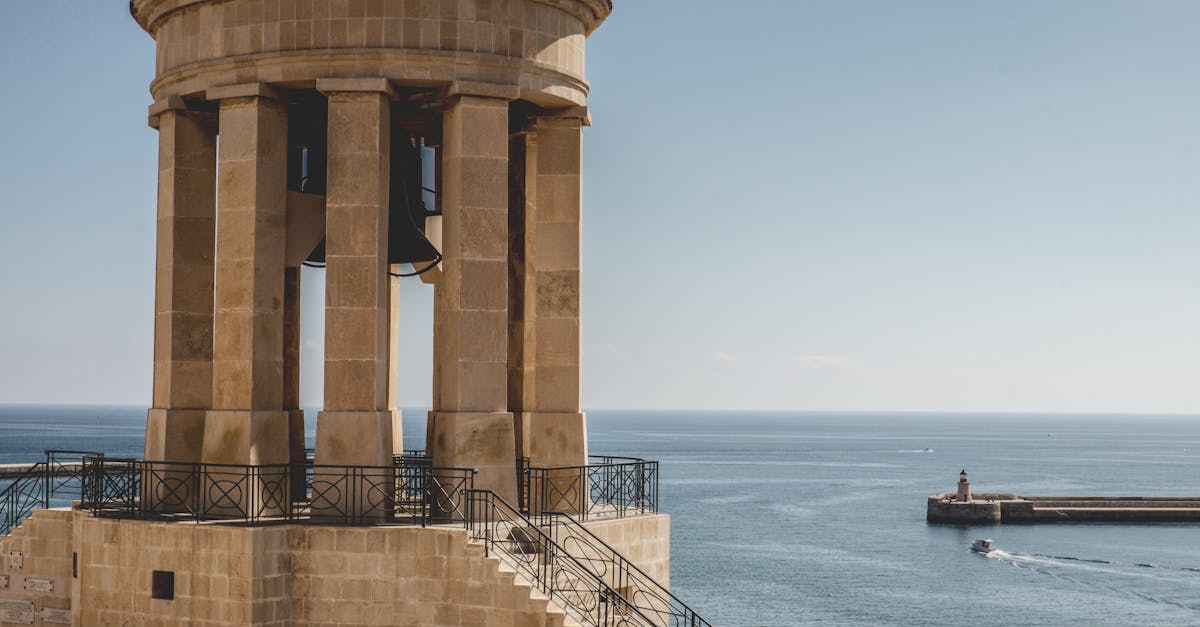
A visit to Valletta is incomplete without experiencing its architectural marvels and historical landmarks. Begin your exploration at the St. John’s Co-Cathedral, a masterpiece of Baroque architecture that houses stunning works of art, including Caravaggio’s famous painting, “The Beheading of Saint John the Baptist.” The cathedral’s intricate marble floors and lavish chapels provide a glimpse into the opulence of the Knights of St. John.
Next, wander over to the Upper Barracca Gardens, where manicured lawns and flowerbeds offer a serene escape from the busy streets. The gardens provide breathtaking views of the Grand Harbour, making it an ideal spot for a leisurely afternoon. Not far from here, the Saluting Battery hosts daily cannon firings, a tradition that dates back centuries, and offers a unique perspective on the city’s military history.
For a taste of local life, head to the Mercato di Valletta, a lively market where locals shop for fresh produce, meats, and cheeses. Strolling through the stalls, you can sample local delicacies and pick up some souvenirs. This experience will give you a real sense of the community’s daily rhythm.
Art enthusiasts should not miss the National Museum of Fine Arts, which showcases a collection of Maltese and European art, featuring works from the Renaissance to the modern era. The museum is housed in a beautiful palace, adding to the overall experience.
If you’re curious about Valletta’s military past, a visit to the Fort St. Elmo is a must. This star-shaped fortification has stood guard over the harbor since the 16th century and now houses the National War Museum, where you can learn about Malta’s strategic importance throughout history.
For those interested in the craftsmanship of the island, the Malta Experience offers a multimedia presentation that brings the island’s history to life. This engaging experience is perfect for both first-time visitors and those looking to deepen their understanding of Valletta’s rich past.
As the sun sets, make your way to the Lower Barracca Gardens for another stunning view of the harbor, especially as the lights begin to twinkle on the water. Use this opportunity to relax and reflect on your day, perhaps enjoying a book or just watching the world go by.
Food and Dining Guide#
Valletta’s culinary scene is a delightful blend of Mediterranean flavors and local traditions. One dish you must try is pastizzi, a flaky pastry filled with ricotta or mushy peas, often enjoyed as a snack or light meal. Look for street vendors or small cafes where you can grab this popular treat.
Another local favorite is fenek, or rabbit stew, which showcases Malta’s culinary roots. This dish is often slow-cooked with wine and herbs, resulting in tender meat that falls off the bone. Many traditional restaurants serve this hearty meal, allowing you to savor the flavors of the island.
For seafood lovers, bragioli, or beef olives, are a must-try. These are thin slices of beef rolled around a filling of breadcrumbs, herbs, and spices, simmered in a rich tomato sauce. This dish reflects the island’s Mediterranean influence and is a staple in many homes.
If you’re in the mood for something lighter, the Maltese salad, featuring fresh vegetables, olives, and local cheese, is perfect for a warm day. Pair it with a glass of Maltese wine, which has been produced on the island for centuries, to complete your meal.
Valletta also boasts a growing number of trendy cafes and eateries where you can enjoy modern interpretations of traditional dishes. Exploring these spots will give you a taste of the city’s evolving food scene, where local ingredients are celebrated in innovative ways.
Getting Around Valletta#
Getting around Valletta is straightforward, thanks to its compact layout. Walking is often the best way to explore, as many attractions are within a short distance of each other. The charming streets are lined with shops, cafes, and historical sites, making every stroll an opportunity for discovery.
Public transit is available in the form of buses that connect Valletta to other parts of Malta. This option is convenient for those who wish to explore beyond the city. Buses are frequent, and tickets can be purchased at kiosks or from the driver.
For a more personalized experience, taxis and ride-sharing services are also widely available. While taxis can be a bit pricier, they offer a comfortable way to travel, especially if you’re heading to a destination further away from the city center.
If you prefer the freedom of your own vehicle, rental cars are an option, but be aware that parking in Valletta can be challenging due to narrow streets and limited spaces. It’s often easier to park outside the city and walk in, especially if you plan to spend time exploring the historical sites.
Budget Breakdown#
Traveling in Valletta can be tailored to fit various budgets. For budget travelers, daily expenses can range from $50 to $80. This includes staying in hostels or budget hotels, enjoying street food or casual dining, and using public transport.
Mid-range travelers might spend between $150 and $250 daily. This budget allows for comfortable accommodations, meals at local restaurants, and entry fees for attractions.
For those seeking luxury, a daily budget of $300 and above is reasonable. This includes upscale accommodations, fine dining experiences, and private tours or guided experiences that delve deeper into Valletta’s history and culture.
Travel Tips for Valletta#
Be Prepared for Hills: Valletta is known for its steep streets and hills, so wear comfortable shoes for walking. The terrain can be a workout, but it’s part of the city’s charm.
Respect Local Customs: When visiting churches and religious sites, dress modestly. This means covering shoulders and knees as a sign of respect for local customs.
Explore Beyond the Main Attractions: While Valletta has many famous landmarks, don’t hesitate to wander off the beaten path. The quieter streets often reveal charming cafes and local shops that offer a more authentic experience.
Use Refillable Water Bottles: Tap water in Malta is safe to drink, so consider bringing a reusable water bottle to stay hydrated while exploring. This is both eco-friendly and budget-friendly.
Check for Local Events: Valletta hosts various festivals and events throughout the year. Check local calendars to see if your visit coincides with any cultural activities, which can enhance your experience.
If you’re also considering a trip to Tbilisi, Georgia or Bruges, Belgium, you’ll find that each city offers a unique charm and history worth exploring.
By keeping these tips in mind, your visit to Valletta will be enjoyable, allowing you to fully appreciate the beauty and history of this remarkable city.